What Can You Put on Bathroom Walls Instead of Tiles? (Top Alternatives)
Wondering what can you put on bathroom walls instead of tiles? At Fargos Art, we know how important it is to give your bathroom a unique and stylish look without relying solely on traditional tiles. With plenty of other exciting alternatives available, we’re here to guide you through options that can truly transform your space.
In this article, we’ll explore various popular tile alternatives for your bathroom walls, discuss their installation processes, and consider their durability and maintenance needs. Whether you’re looking for fun and chic finishes or something that suits your practical needs, we’ve got you covered. So, let’s dive into the world of creative bathroom wall solutions beyond tiles!
Why Choose Tile Alternatives for Bathroom Walls?
Tiles have been a long-standing choice for bathroom walls, but they’re not your only option anymore. In fact, many homeowners are now leaning towards non-tile materials. Why? Because tile alternatives offer versatility, creativity, and often a cost-effective solution. Let’s delve into the benefits of choosing alternatives over traditional tiles.
Enhanced Aesthetic Variety
One major draw of tile alternatives is the range of aesthetics they offer. From sleek waterproof wallpaper to rustic wood panels, the options are diverse. You can create virtually any style—modern, classic, or eclectic. This flexibility allows you to tailor your bathroom to your exact vision.
Cost-Effectiveness
Budget is a key consideration for any renovation project. Tile alternatives often come with a lower price tag compared to ceramic or porcelain tiles. Plus, their installation can be easier and less labor-intensive, saving you money on labor costs.
Easier Installation
If you’re into DIY projects, tile alternatives might be your best bet. Many of these materials—like vinyl panels or beadboard—are easier to install than traditional tiles. This means you can save time and reduce hassle, whether you’re doing it yourself or hiring a professional.
Reduced Maintenance
Grout lines in tiles often collect mold and mildew, which means more cleaning time. Tile alternatives like painted walls or large panels offer smooth surfaces, making them easier to wipe clean. This reduces maintenance time and keeps your bathroom looking fresh with minimal effort.
In the next section, we’ll explore the most popular tile alternatives for bathroom walls to help spark your creativity.
What Are the Most Popular Tile Alternatives for Bathroom Walls?
Tired of tiles? Modern bathrooms are trending towards alternatives that offer style and practicality. Tiles have been the classic choice for bathroom walls due to their waterproof nature, but many homeowners are now exploring other materials that not only provide protection but also add a unique flair to their spaces.
Here’s a list of some of the most popular tile alternatives for bathroom walls:
- Paint: A cost-effective and versatile option. Special bathroom paint resists moisture and is available in various finishes. Plus, color changes are a breeze!
- Beadboard: Adds a charming, cottage-like feel. It’s typically made from wood or MDF and can be painted in any color.
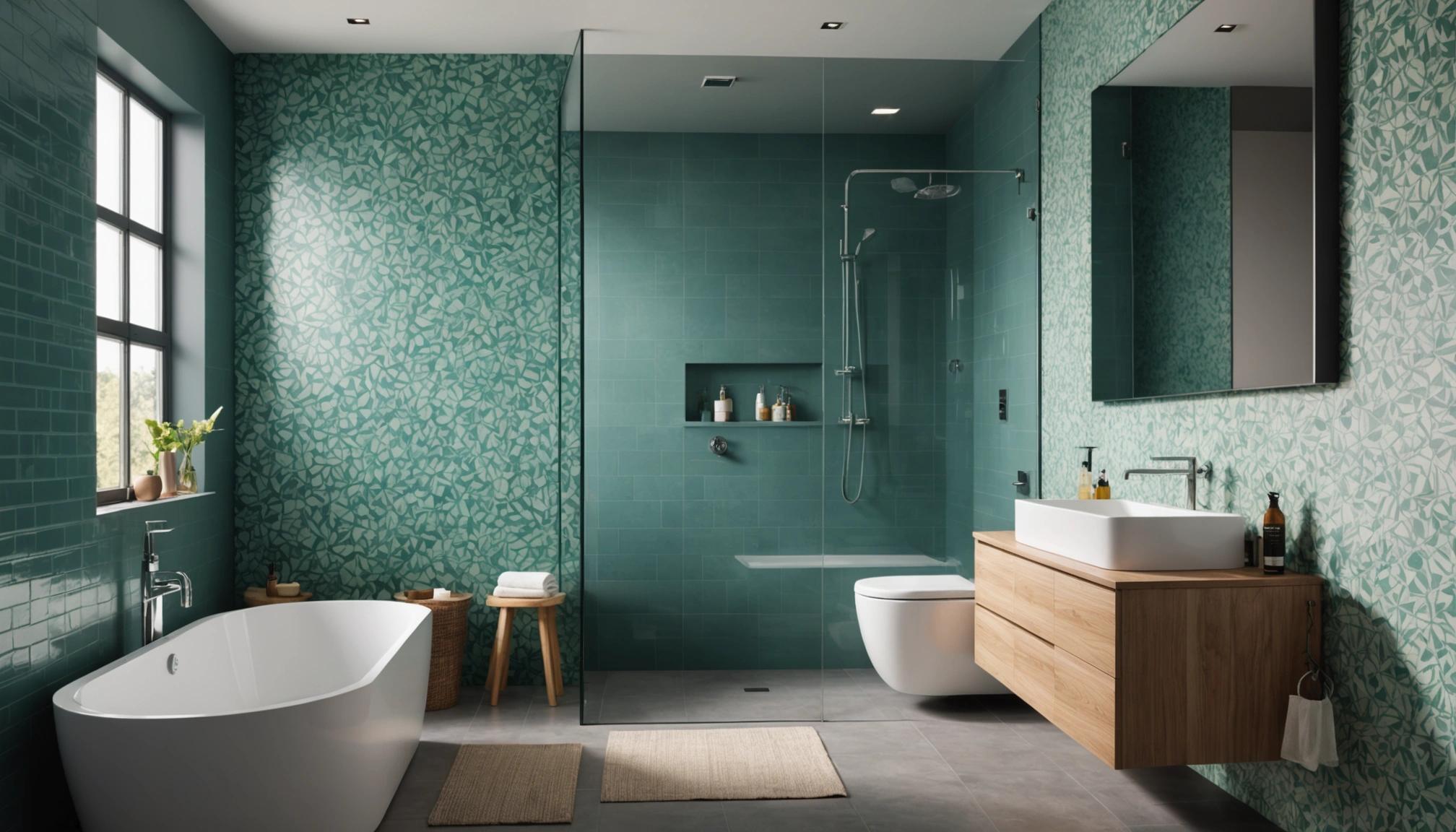
- Wallpaper: Modern wallpaper can be moisture-resistant and adds incredible patterns and textures to the bathroom, making a striking statement.
- Wood Panels: Treated wood or wood-look alternatives can add warmth and texture, creating a cozy environment (ensure proper sealing to prevent water damage).
- Stone Veneer: Offers a rustic or luxurious look, depending on stone choice. It mimics the appearance of natural stone at a fraction of the weight and cost.
- Acrylic Panels: Lightweight and available in various designs. These panels can mimic the look of tiles, stone, or even glass, offering an easy-to-clean surface.
- Concrete: Provides a sleek, modern vibe. It’s durable and can be customized with stains or paints for added personality, similar to applying Venetian plaster on textured walls.
Each of these options brings something unique, catering to different aesthetic preferences and functional needs. Next, we’ll explore methods on how to install these exciting tile alternatives.
How to Install Tile Alternatives on Bathroom Walls?
Installing tile alternatives on bathroom walls can be a rewarding DIY project. Not only do you get to choose from a range of unique materials, but it can also give your bathroom a fresh, modern look without the traditional tile feel. For inspiration and guidance, explore trending bathroom wall finishes. Here’s a simple guide to help you get started with your installation:
- Prepare the Wall Surface: Start by cleaning the walls thoroughly. Ensure they are dry, smooth, and free of any dust or debris. Repair any cracks or holes for a solid foundation, as a clean base is crucial for a good finish.
- Measure and Cut Your Material: Measure your wall space carefully and cut your material to fit. Whether it’s beadboard, waterproof wallpaper, or PVC panels, precise measurements are key to avoiding wastage and ensuring a seamless look.
- Apply Adhesive/Backing: Depending on your chosen material, use the appropriate adhesive or backing. For paneling, a strong adhesive or double-sided tape works well. For wallpaper-type materials, you might need a special paste.
- Secure the Material in Place: Carefully position the material on the wall. Press firmly to ensure a good bond, smoothing out any bubbles or ripples. Ensure all edges are aligned properly for a neat finish.
- Finish and Seal: Trim any excess material and apply a waterproof sealant if necessary, especially around edges and corners. This step is crucial to protect against water damage and extend the life of your new wall surface.
- Let It Set: Allow adequate time for the adhesive to cure (check the manufacturer’s instructions for the specific material you are using). Avoid using the bath or shower until the material is securely set.
With the right tools and a bit of patience, you can transform your bathroom walls into a stylish feature using these savvy alternatives.
Are Tile Alternatives Waterproof and Durable for Bathroom Use?
When it comes to selecting materials for bathroom walls, ensuring they are waterproof and durable is essential. Fortunately, many tile alternatives meet these criteria. They are crafted to withstand the unique challenges bathrooms present—high humidity, constant moisture, and frequent temperature changes.
Materials like vinyl wallpaper, PVC panels, and glass splashbacks offer excellent water resistance. They’ve been engineered to repel water, preventing moisture penetration which can lead to mold or mildew. Additionally, options such as acrylic sheets or water-resistant paint provide a sealant-like layer, keeping surfaces dry and easy to clean.
For durability, cement board and waterproof plaster offer strong foundations that resist damage and wear over time. These materials don’t just endure moisture; they thrive in it, retaining their structure and appearance despite the daily battering a bathroom takes.
Ultimately, choosing the right tile alternative comes down to assessing your needs for both aesthetics and practicality. Options abound that can maintain their integrity while enhancing the look of your space, so be sure to explore all the available choices for bathroom wall finishes. The right material will ensure your bathroom remains both functional and stylish for years to come.
What Maintenance Do Non-Tile Bathroom Walls Require?
Maintaining non-tile bathroom walls is straightforward and essential for longevity. Different materials have different needs—let’s dive into some key maintenance tips for popular alternatives.
Regular Cleaning Practices
Routine cleaning is a MUST to prevent buildup and stains. Use mild cleaners suitable for the wall material to avoid damage.
For wood or MDF panels, a damp cloth with a gentle cleaner does wonders. Vinyl or acrylic walls benefit from non-abrasive cleansers that keep the surface intact. Be sure to dry adequately to prevent moisture absorption.
Handling Moisture and Humidity
Moisture is the ENEMY of non-tile walls. Ensuring proper ventilation reduces humidity buildup. Use exhaust fans or keep windows open during showers to minimize dampness.
For porous surfaces, consider applying a water-repellent sealant. This adds an extra layer of protection against moisture damage.
Addressing Scratches or Damage
Accidents happen and walls can get scratched or damaged. For wood, sanding and resealing may be necessary. Vinyl surfaces can often be patched with kits.
Always act quickly—addressing minor issues prevents them from becoming major problems over time.
Inspecting for Mold and Mildew
Keep an eye out for mold and mildew, especially in high-moisture areas. Quick intervention is key. A vinegar solution or specialized anti-mold spray can help remediate these issues.
Regular inspections go a long way in maintaining wall integrity and ensuring a healthy bathroom environment.
Non-tile walls offer versatility, but they do require mindful maintenance. With these tips, keeping them in pristine condition is EASY. For more information on bathroom wall finishes, check out bathroom wall finishes in Spring Branch, TX.
Can You Mix and Match Tile with Alternatives in a Bathroom?
Absolutely! Mixing and matching tile with other materials can create a unique and personalized bathroom space. Not only does it offer an opportunity for creativity, but it also lets you incorporate different textures and visual elements, enhancing the overall design.
One common approach is to use tiles in high-moisture areas—like showers and splash zones—while opting for alternatives elsewhere. For example, consider tiles in your shower paired with waterproof paint or panels in the rest of the bathroom. This not only adds visual interest but can also be cost-effective.
A wood panel or shiplap accent wall can add warmth and contrast when near tiled surfaces, breaking up the space and adding personality. And don’t forget about wallpapers and textured paints—they can create striking feature walls without overwhelming the room with too much tile.
When blending materials, think about color schemes and patterns. Ensure they complement each other to maintain harmony throughout the space. With the right balance, mixing tiles with alternatives can transform your bathroom into a stunning, functional retreat.
Conclusion
When considering alternatives to traditional tiles for your bathroom walls, the options are endless and can transform your space into a personalized work of art. From elegant Venetian plasters to unique accent wall finishes, these alternatives offer both durability and aesthetic appeal, allowing you to create a bathroom that’s truly one-of-a-kind. It’s important to select solutions that not only meet your design preferences but also stand up to the specific conditions of a bathroom environment, such as humidity and frequent cleaning.
At Fargos Art, we specialize in bathroom wall finishes and more, ensuring that your design vision comes to life with the highest quality craftsmanship. Serving Houston and surrounding areas, including River Oaks, Memorial, and Sugar Land, our team is here to provide expert advice and top-notch service. To explore how we can enhance your bathroom with our specialized finishes, reach out to us at (832) 277-6757 or email us at fargosartco@gmail.com. Let us help you create a bathroom that reflects your style and stands the test of time.