Using Wood for an Accent Wall: Pros and Cons Explained
Are you considering using wood for an accent wall in your space? At Fargos Art, we love the unique charm and character that a wood accent wall can bring to a room. Wood can be a versatile and visually appealing choice, offering a blend of rustic elegance and modern sophistication. However, as with any design choice, it’s important to weigh the pros and cons before making a decision.
In this article, we’ll explore the benefits of using wood for an accent wall, discuss potential drawbacks, and guide you on how to select the perfect type of wood for your home. We’ll also cover essential maintenance tips and examine how wood accent walls can influence your room’s design and aesthetics. Ready to dive in? Let’s start unraveling the possibilities and find out if a wood accent wall is the right choice for you!
How Can I Choose the Right Type of Wood for My Accent Wall?
Picking the right wood for your accent wall can transform a space dramatically—both in style and atmosphere. Consider these key aspects when selecting the type of wood:
- Budget: Some woods are more expensive than others, like cherry or walnut. If you’re on a tight budget, pine or cedar could be a better option.
- Aesthetic Appeal: Decide on the look you want. Oak offers a classic, traditional feel, while reclaimed wood gives an authentic, rustic vibe.
- Durability: Think about how much wear and tear your wall might experience. Hardwoods like maple or hickory are robust and good for high-traffic areas.
- Finish Options: Some woods take well to stains and finishes, allowing for more customization in color and sheen.
- Environmental Impact: For the eco-conscious, consider sustainably sourced or reclaimed materials to minimize your environmental footprint.
By considering these factors, you’ll find the perfect wood that aligns with your design vision, budget, and lifestyle needs.
What Are the Benefits of Using Wood for an Accent Wall?
Natural Warmth and Texture
Wood instantly adds warmth to any space. Its natural grains and textures create a cozy vibe. This is a great contrast to other materials, like metal or glass.
Versatility in Design
Wood offers endless design possibilities. Whether you prefer a rustic barnyard look or a sleek, modern finish—wood can do it all. Stain, paint, or leave it natural to match your style perfectly.
Sound Absorption
Worried about sound echoing in a large room? Wood accent walls can help! They naturally absorb sound, making spaces feel quieter and more intimate.
Eco-Friendly Option
Going green? Wood is a sustainable choice when sourced responsibly. It’s renewable and can contribute to LEED certification for eco-friendly building designs.
Increases Property Value
Want to boost the appeal of your home? A stylish wood accent wall can enhance its value. This investment often catches the eye of potential buyers or appraisers.
Easy Installation
Many wood products like panels are designed for easy installation. This means you can often DIY (save on hiring contractors) and complete a project within a weekend.
What Are the Potential Drawbacks of Wood Accent Walls?
Wood accent walls bring warmth and character to a space, but they’re not without their challenges. It’s important to weigh these drawbacks before deciding if a wood accent wall suits your home.
Expense and Budget Concerns
Wood can be pricey—especially high-quality types like walnut or reclaimed wood. The cost might be higher than other materials, impacting your overall renovation budget.
Maintenance Needs
Wood requires upkeep. Regular cleaning and occasional sealing or treatment might be necessary to keep the wood looking its best and to prevent damage from moisture or pests.
Durability and Wear
While sturdy, wood walls are not indestructible. They can be prone to scratches, dents, and other signs of wear, especially in high-traffic areas.
Susceptibility to Moisture
Moisture is a wood wall’s enemy. In humid environments or areas prone to dampness, wood can warp, swell, or even develop mold if not properly sealed and maintained.
Environmental Impact
Sourcing sustainable wood is crucial. Using non-reclaimed or non-sustainably harvested wood can negatively affect the environment and contribute to deforestation.
Considering these potential drawbacks can help you make an informed decision about whether a wood accent wall is the right choice for your home. Stay tuned as we delve into selecting the right type of wood next.
How Can I Choose the Right Type of Wood for My Accent Wall?
Choosing the right wood for an accent wall can greatly enhance a room’s character and style. The right type of wood will not only match your aesthetic preferences but also fit your budget and space requirements. Here’s what to consider when making your choice:
- Color and Grain: Consider the existing color palette of your room. Light woods like pine give a bright and airy feel, while dark woods like walnut add warmth and richness.
- Wood Type: Solid wood (like oak or cedar) offers durability and longevity, while engineered wood tends to be more affordable and stable.
- Finish: Think about whether you prefer a natural finish to highlight the wood’s grain or a stained finish for a more refined look.
- Texture: Smooth, polished wood brings a modern touch, while rougher, reclaimed wood gives rustic charm.
- Environmental Impact: Choose sustainably sourced wood to reduce your environmental footprint. Look for certifications like FSC (Forest Stewardship Council).
Consider these factors carefully. They’ll help you achieve a balanced, beautiful accent wall that complements your room perfectly.
What Maintenance is Required for Wood Accent Walls?
Wood accent walls are beautiful, but they need some TLC to keep their charm. The right maintenance makes all the difference in preserving their look and longevity.
Regular Dusting and Cleaning
Like any surface, wood walls gather dust. Use a soft cloth or microfiber duster weekly to keep them spotless. Avoid harsh chemicals—just a gentle wipe-down does the trick.
Addressing Moisture Issues
Wood can warp or stain if exposed to too much moisture. Check for leaks or high humidity levels in the room. If you notice any issues, fix them ASAP to prevent damage.
Protecting from Sun Damage
Direct sunlight can fade wood over time. Use curtains, blinds, or UV-protective window films to shield your walls. It’s a simple step to maintain the wood’s stunning natural colors.
Periodic Resealing or Repainting
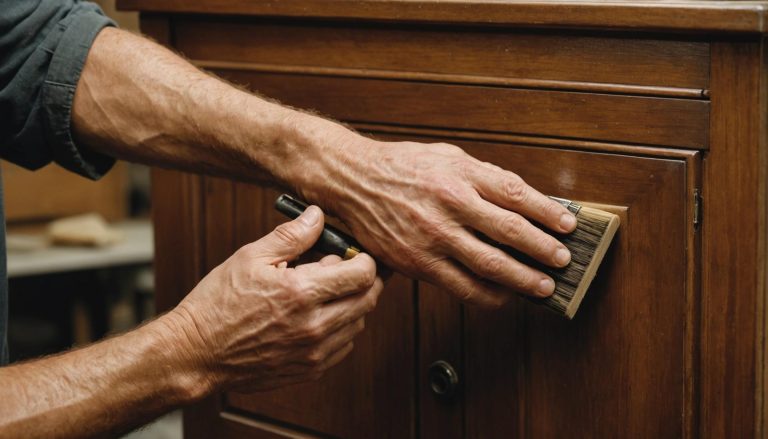
Every few years, consider resealing or repainting your wood accent wall. This helps protect against wear and tear—and gives your space a fresh update! Opt for a quality sealant or paint suited for wood surfaces.
With these maintenance tips, you’ll keep your wood accent walls looking vibrant and new. Next up, let’s explore how these walls can transform the design and mood of your room.
How Do Wood Accent Walls Affect Room Design and Aesthetics?
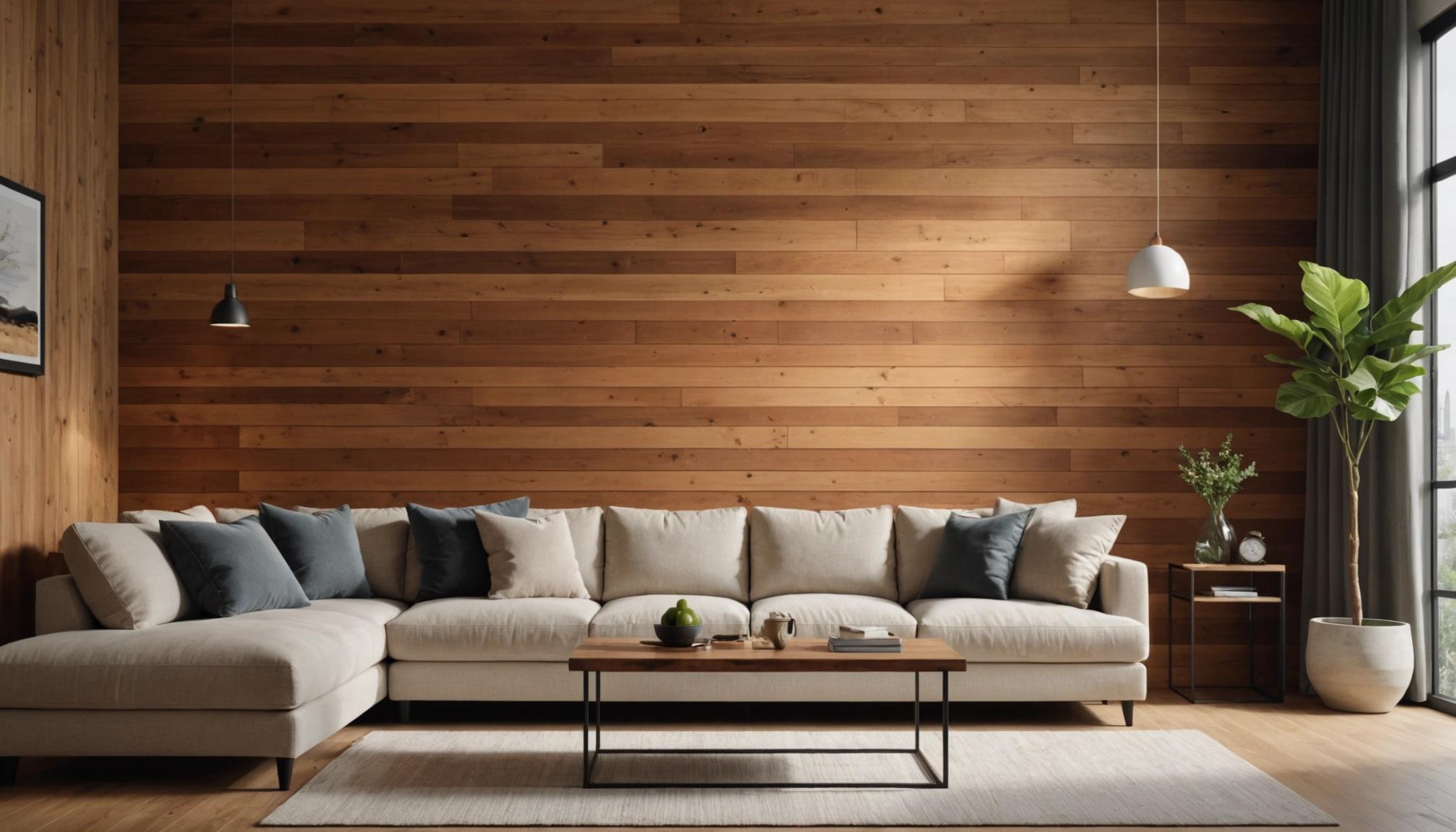
Wood accent walls are a game changer for room design. They add a touch of warmth and elegance effortlessly. Whether you’re going for rustic charm or sleek modern, a wood accent wall can transform your space. The natural texture and variety in wood tones create a visual focal point and add depth to any room.
Here’s how wood accent walls can impact the aesthetics of your space:
- Add Warmth: Wood’s natural grains and tones introduce a cozy atmosphere.
- Highlight Features: Use a wood wall to draw attention to architectural elements or special room features.
- Create Contrast: A wood wall can balance out modern or industrial elements, offering contrast and diversity.
- Increase Visual Interest: Vary the patterns—such as herringbone or planks—to keep the eyes engaged.
- Set the Mood: Different woods evoke different feelings—think rich mahogany for luxury or light pine for an airy vibe.
- Customize Easily: Stain or paint to match existing decor or to refresh an outdated space.
- Enhance Acoustics: Wood can also improve sound quality by reducing echoes, making rooms more comfortable.
Wood accent walls are versatile and packed with character. Let’s explore how they impact costs and installation up next.
What Are the Cost Considerations for Installing a Wood Accent Wall?
A wood accent wall can dramatically enhance the aesthetic of a room, but it’s important to consider the costs involved before diving into this project. Understanding these costs helps ensure the final result aligns with your budget and expectations.
Here are the key cost factors to keep in mind when planning to install a wood accent wall:
- Type of Wood: Different types of wood vary greatly in price. Reclaimed wood can be more expensive due to its unique appearance and sustainability, while plywood or MDF offer more budget-friendly options.
- Wall Size: The size of the wall directly impacts the cost; larger walls will require more wood and, therefore, more money.
- Preparation and Installation: Consider the costs of preparing the wall (such as removing existing finishes) and the labor costs if hiring professionals for installation.
- Additional Materials: Besides the wood itself, account for costs of additional materials like nails, adhesives, and paint or stain if you plan to finish the wood.
- Labor: If you’re not doing the work yourself, professional installation will add to the overall cost. This can vary based on the complexity of the design and region.
- Finishing Touches: Finishing the wall with sealant or a particular stain or paint can add to the cost, depending on the products used.
- Maintenance Costs: Consider any ongoing maintenance costs to keep the wood looking its best over time.
Weigh these cost factors carefully to avoid any unexpected expenses. A well-planned budget ensures that you can enjoy your stylish new accent wall without financial stress.
Conclusion
Choosing to use wood for an accent wall can completely transform the aesthetic appeal of any space, adding both warmth and character. However, it’s crucial to weigh factors such as cost, maintenance, and style to ensure it aligns with your home’s needs and your personal taste. Consulting with a professional can greatly enhance the selection and installation process, ensuring a seamless addition to your decor.
At Fargos Art, we specialize in creating stunning accent wall finishes among other services to elevate your home’s interiors across Houston and its surrounding areas, including River Oaks and Sugar Land. Let our expertise guide your next home transformation. Contact us at (832) 277-6757 or email fargosartco@gmail.com to discuss your vision and how we can help bring it to life. We look forward to working with you to create the perfect ambiance in your home!