Do Cabinet Glaze Finishes Yellow? (Truth Revealed)
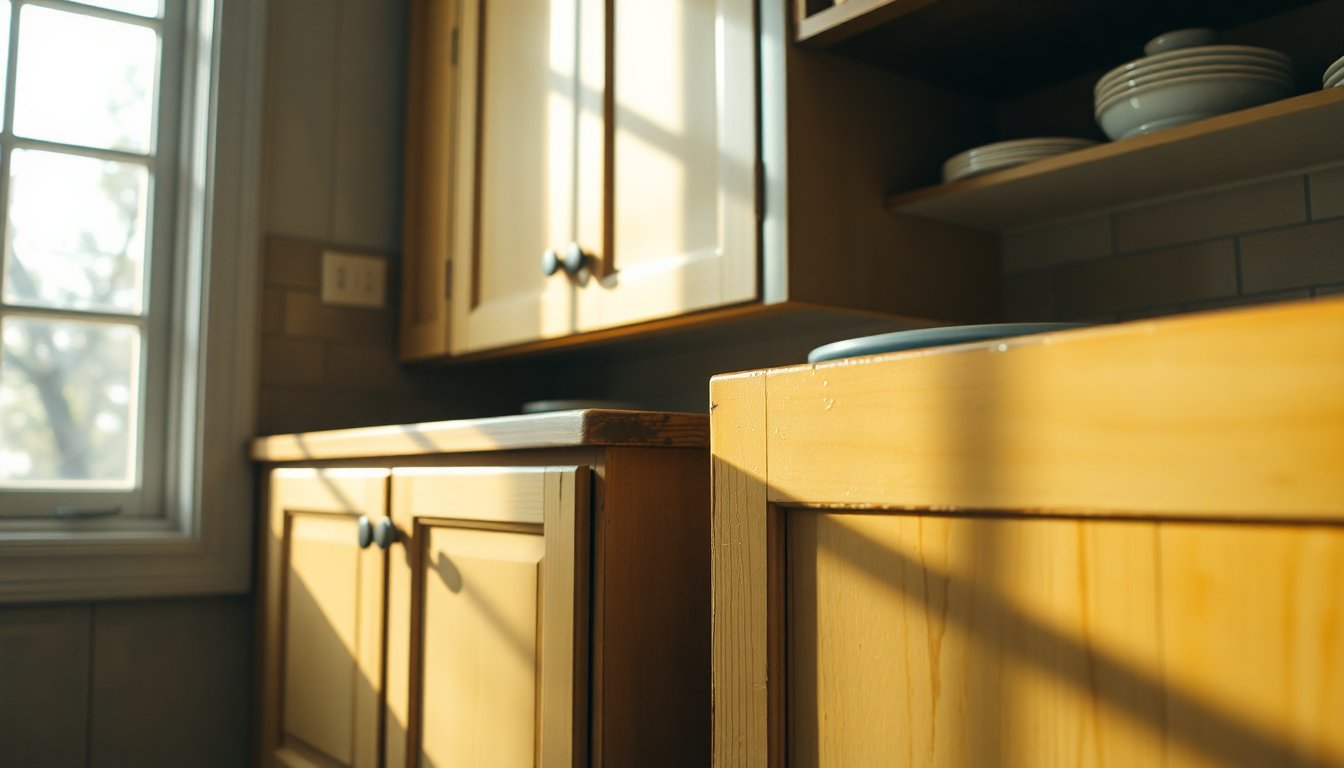
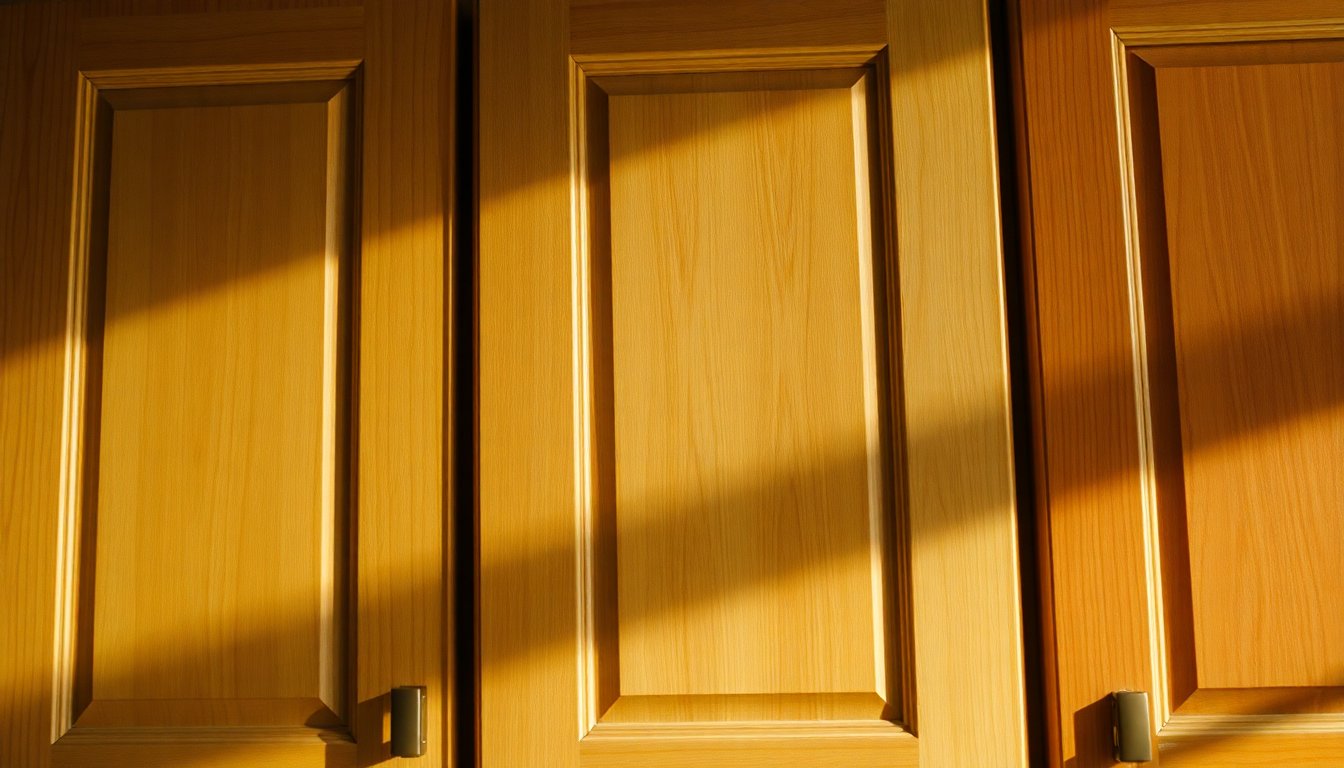
It’s one of the most common questions we hear at Fargos Art here in Houston: “Do cabinet glaze finishes yellow over time?” The short answer? Sometimes YES — but it depends on a lot of factors. The type of glaze, the topcoat, the lighting, even the direction your kitchen faces can all play a role in whether that beautiful finish stays crisp or starts turning amber.
We’ve refinished cabinets across River Oaks, Memorial, Tanglewood, and beyond — so we’ve seen the good, the bad, and the yellow. In this article, we’re pulling back the curtain on what REALLY causes yellowing, how to spot it early, and (most importantly) how to prevent it. Let’s clear up the confusion once and for all.
What Causes Cabinet Glaze Finishes to Yellow Over Time
Yellowing isn’t random. There’s almost always a reason behind it — and usually it comes down to chemistry, environment, or product choice. The glaze itself sometimes gets blamed, but the truth is that the topcoat sealing the glaze is often the real culprit. Understanding what glaze actually does for your cabinets helps make sense of why some finishes stay true and others shift color.
Here are the main causes of yellowing we run into:
- Oil-based topcoats — These are notorious for ambering. Over time, oil-based polyurethane naturally warms up and turns yellow, especially over white or light-colored cabinets.
- UV exposure — Direct sunlight can accelerate discoloration on many finishes (and in Houston, we get PLENTY of sun).
- Heat and humidity — Our Gulf Coast climate is no joke. Excess heat near ovens and constant humidity can speed up chemical breakdown.
- Kitchen grease and cooking residue — A thin film of airborne grease builds up and can look like yellowing when it’s really just dirt.
- Low-quality products — Cheap glazes and sealers simply don’t hold their color the way professional-grade materials do.
- Improper application — Too-thick coats or skipped prep steps trap moisture and cause uneven aging.
Do All Types of Cabinet Glaze Yellow the Same Way
Not even close. Different glazes and finishing systems behave VERY differently over the years. Here’s a breakdown of the most common types.
Oil-Based Glazes
These offer rich depth and gorgeous antique effects — but they carry the highest yellowing risk. The oil content is exactly what makes them warm up over time. They’re not “bad,” they just need the right topcoat and setting.
Water-Based Glazes
Water-based (acrylic) glazes are far more color-stable. They dry clear and stay clear. For clients who want crisp whites and grays that STAY that way, this is usually our go-to recommendation.
Antique and Decorative Glazes
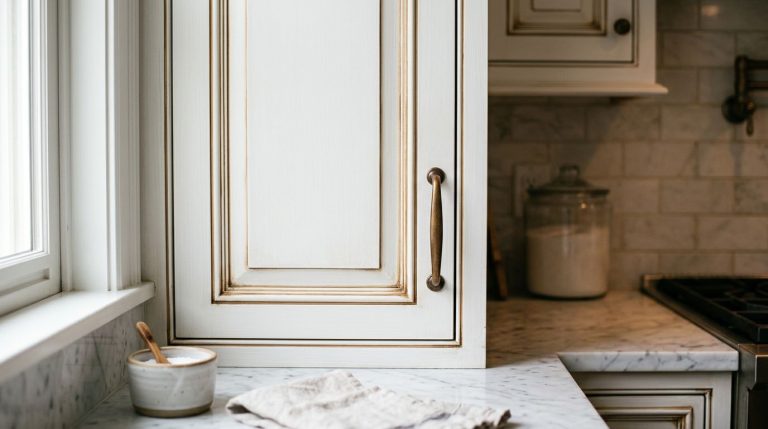
Antique glazes are designed to add warmth and character on purpose. A little aging actually enhances the look. So while they may deepen slightly, it often reads as intentional rather than as a flaw. Our antique glaze cabinet care tips can help you keep that aged look looking deliberate — not dingy.
Pigmented vs. Clear Glazes
Pigmented glazes hold their tone better because the color is built in. Clear glazes rely entirely on the topcoat — so if that topcoat yellows, the whole finish shifts with it.
How to Tell If Your Cabinet Glaze Is Yellowing
Yellowing usually happens SLOWLY — so slowly that you might not notice until you compare it to something new. If you suspect your cabinets are shifting color, here’s a simple way to check.
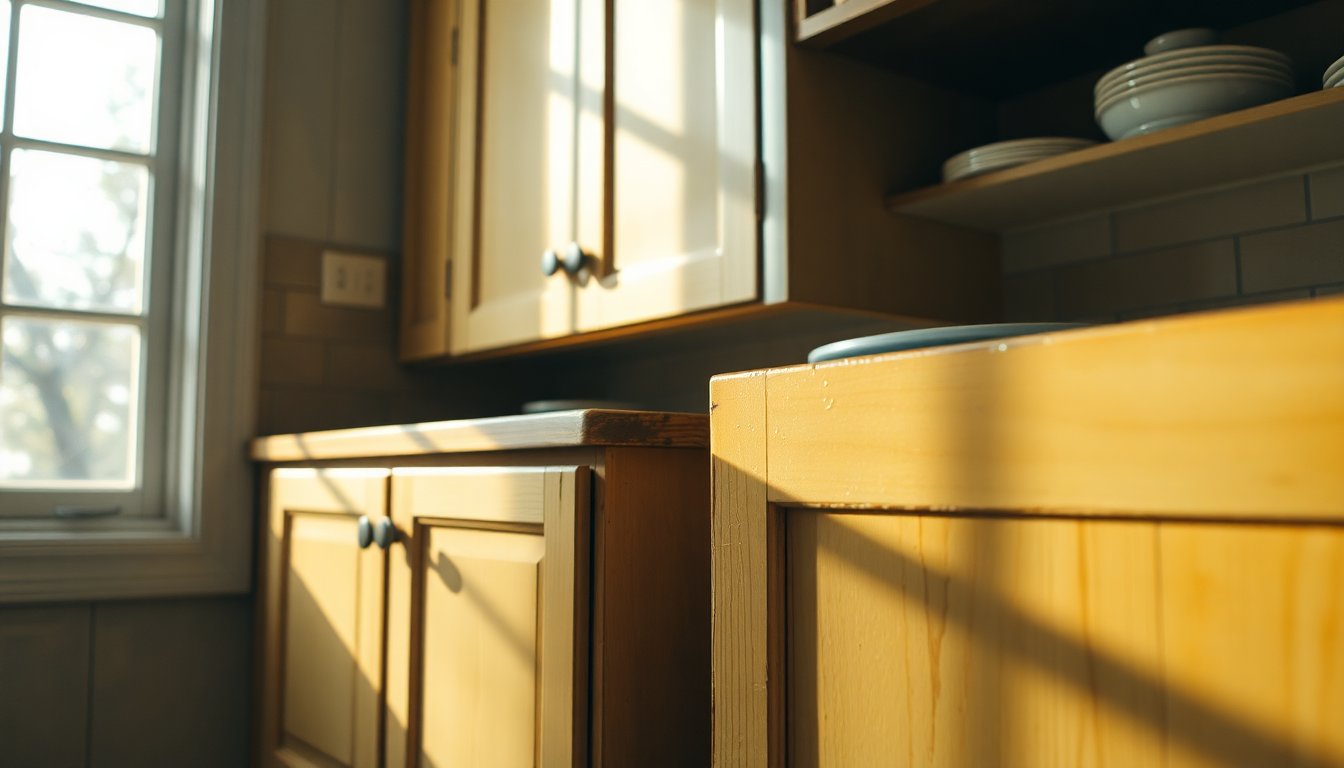
- Compare against a hidden area. Look at the inside of a door or a spot that never sees light. If the interior is much brighter than the front, you’ve got yellowing.
- Hold up a white sheet of paper. Place it next to a white or light cabinet. A clean white contrast makes even subtle ambering obvious.
- Check the high-heat zones first. Cabinets near the stove and oven typically discolor before others.
- Examine sun-facing cabinets. If one wall of cabinets looks warmer than the rest, UV is likely the cause.
- Wipe with a mild cleaner. If a gentle wipe brightens things up, you’re dealing with grease buildup — NOT actual yellowing.
- Look at the finish under natural daylight. Artificial light hides discoloration. Open the blinds and take a good look.
How to Prevent Cabinet Glaze from Yellowing
The GOOD news? Yellowing is largely preventable with the right materials and habits. Prevention starts at the moment of application — which is why professional cabinet glaze finish application makes such a big difference in how your cabinets age over the years.
Here’s how we keep finishes looking fresh long-term:
- Choose water-based topcoats — Especially over white and light cabinets. They stay clear where oil-based products amber.
- Use UV-resistant sealers — A must for kitchens with big windows or lots of natural light.
- Control the environment — Use range hoods, manage humidity, and avoid trapping heat near cabinet surfaces.
- Clean regularly (but gently) — Wiping away grease before it builds up prevents that false “yellow” film.
- Avoid harsh chemical cleaners — Abrasives and ammonia can degrade the finish and speed aging.
- Hire professionals for prep — Proper sanding, priming, and thin, even coats make the finish more durable AND more color-stable.
- Invest in quality products — Premium glazes and sealers cost more upfront but hold their color for years.
Can You Fix or Restore Yellowed Glaze Finishes
Yes — in most cases, yellowed cabinets can be brought back to life. The right approach depends on how far the discoloration has progressed and what’s actually causing it.
Deep Cleaning First
Before assuming the finish is ruined, we always try a thorough degreasing. A surprising number of “yellowed” cabinets are just coated in years of cooking film. A proper cleaning can restore the original color instantly.
Recoating with a Clear, Non-Yellowing Topcoat
If the glaze underneath is still solid but the topcoat has ambered, we can sometimes scuff-sand and apply a fresh water-based clear coat. This refreshes the color without a full redo.
Full Refinishing
When the yellowing runs deep — or the finish is worn and uneven — a complete strip and refinish is the best move. It’s more involved, but the results look brand new. This is also the perfect time to upgrade to more color-stable materials.
Color Correction and Reglazing
For antique or decorative finishes, we can reglaze to rebalance the tone. This blends the aged areas with the fresh ones so everything looks cohesive again.
Best Non-Yellowing Glaze and Finish Alternatives
If you’re starting fresh (or refinishing) and want to minimize the risk of future yellowing, product selection matters more than almost anything else. Here are the options we recommend most often to our Houston clients.
- Water-based acrylic glazes — Color-stable, low odor, and dry crystal clear. Ideal for whites and cool grays.
- Water-based polyurethane topcoats — The gold standard for staying clear over light finishes.
- Acrylic-urethane hybrids — Extra durability with excellent non-yellowing performance — great for high-traffic kitchens.
- UV-inhibiting sealers — Perfect for sun-drenched kitchens in areas like West University Place, Bellaire, and Sugar Land.
- Pigmented glazes — Built-in color that resists the shift you sometimes see with clear-glaze-plus-topcoat combos.
- Venetian plaster and metallic finishes — For accent walls or ceilings, these decorative options offer stunning depth WITHOUT the yellowing concerns of traditional oil finishes.
We work with clients throughout River Oaks, Memorial, Tanglewood, Upper Kirby, Katy, Spring Branch, and Sugar Land — and no matter the space, we help match the finish to the environment so it looks great for years (not months).
Conclusion
So — do cabinet glaze finishes yellow? SOME do, especially older oil-based systems exposed to heat and sunlight. But with the right glaze, a quality water-based topcoat, and proper care, yellowing is largely avoidable. And even if your cabinets have already started to amber, restoration is usually possible — whether through a deep clean, a fresh clear coat, or a full refinish.
At Fargos Art in Houston, we specialize in glaze finishes, antique refinishing, Venetian plasters, and decorative finishes built to LAST. If your cabinets are looking tired or yellowed — or you want to get it right the first time — reach out and let’s talk about bringing them back to their best.