Venetian Plaster vs Regular Paint: Durability Explained
Are you torn between choosing Venetian plaster and regular paint for your next home project? Here at Fargos Art in Houston, we’re all about making those walls shine with the perfect finish, and we know the durability of your choice is essential. Venetian plaster and regular paint offer distinct benefits, but their durability can significantly impact your decision.
In this article, we’ll delve into the lifespan of Venetian plaster and regular paint, uncover the factors affecting their longevity, and share maintenance insights to keep your walls looking fabulous. So, get comfy and join us on this exploration to help you make an informed choice for your space!
What is Venetian Plaster and How Does It Differ from Regular Paint?
Venetian plaster is not your typical wall finish. It’s a luxurious, decorative technique that dates back to ancient Rome. Known for its rich texture and depth, Venetian plaster consists of slaked lime, marble dust, and natural pigments. Applied in multiple thin layers, it creates a beautiful, polished stone-like surface that catches the eye.
The Unique Composition of Venetian Plaster
The ingredients in Venetian plaster—lime and marble dust—set it apart from regular paint. These components give it its durable and breathable qualities, allowing it to last for decades, sometimes even centuries if well-maintained.
The Aesthetic Appeal
Unlike regular paint, which offers flat or glossy finishes, Venetian plaster provides a distinct, multi-dimensional look. Its surface can be polished to a high sheen or left matte for a more subdued effect. The layers create subtle variations in color, adding depth and elegance that paint simply can’t match. For those interested in exploring more about this luxurious finish, you can find a wealth of information on Venetian plaster techniques and styles.
Application Techniques
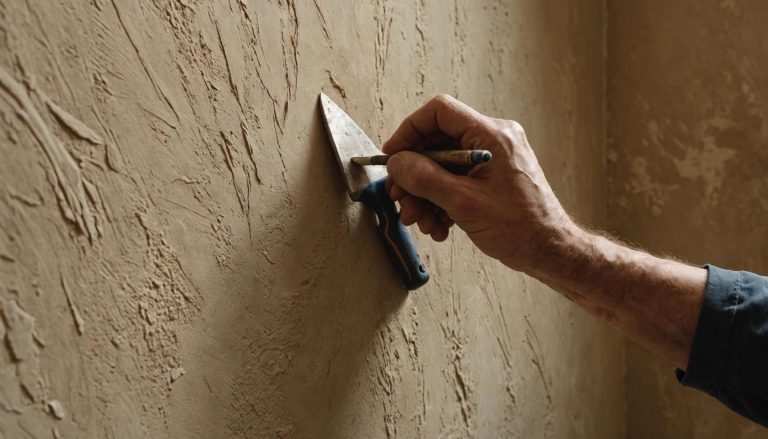
Applying Venetian plaster is an art form. Skilled artisans use trowels to spread thin layers (usually 3-10 coats), each one burnished to achieve the desired finish. This process is far more complex than applying paint, which involves brushes and rollers for a straightforward coat.
Durability and Maintenance Differences
While both finishes need some maintenance, the durability of Venetian plaster surpasses that of regular paint. It’s resistant to moisture and mildew, making it ideal for bathrooms and kitchens. Though it requires occasional sealing, its longevity often justifies the initial investment.
How Long Does Venetian Plaster Last Compared to Regular Paint?
Venetian plaster is renowned for its exceptional durability, often outlasting regular paint by a considerable margin. When applied correctly and maintained properly, Venetian plaster can endure several decades—its longevity contributing to its appeal. The key advantage lies in its unique composition of lime and marble dust, which creates a hard, breathable surface that ages gracefully. Regular paint, even high-quality options, typically requires reapplication every 5 to 10 years as it can chip or peel over time. Thus, while initially more expensive, Venetian plaster can offer cost savings in the long run due to reduced maintenance needs. Those interested in exploring these benefits further can learn more about Venetian plaster applications in Houston, TX. Whether for walls or ceilings, its timeless charm and resilience make it a worthwhile investment for those seeking both beauty and longevity in their finishes.
What Factors Affect the Durability of Venetian Plaster and Regular Paint?
When deciding between Venetian plaster and regular paint for your walls, durability is a key consideration. Both have their unique characteristics, but what makes one last longer than the other? Several factors come into play, impacting how long these finishes can withstand time and wear.
Here are important factors that influence their durability:
- Material Quality: High-quality materials ensure better longevity. Premium Venetian plaster and high-grade paint resist wear and tear more effectively.
- Application Technique: Proper application techniques are CRUCIAL. For Venetian plaster, skilled artisans should apply multiple layers to achieve the authentic finish. With paint, even coats ensure uniform coverage and strength.
- Surface Preparation: Preparing the surface before application is key. A well-prepped, clean, and primed surface enhances adhesion and performance for both options.
- Environmental Conditions: Humidity, temperature fluctuations, and UV exposure can affect both finishes. Venetian plaster typically fares better in humid conditions, while paint may fade or peel with constant sun exposure.
- Maintenance Practices: How you maintain your walls influences durability. Regular dusting and spot cleaning help maintain Venetian plaster. For paint, periodic touch-ups may be necessary to preserve its appearance.
- Traffic and Usage: High-traffic areas are more prone to scuffs and scratches. Venetian plaster, being harder and more robust, generally resists damage better than regular paint in such spaces.
These factors highlight the significance of choosing the right finish based on your needs and environment. For more insights into the benefits and applications of Venetian plaster, visit this comprehensive guide on Venetian plasters. Up next, we will explore how maintenance practices differ between these two wall treatments.
How Do Maintenance Practices Differ Between Venetian Plaster and Regular Paint?
Maintaining your walls—whether adorned with Venetian plaster or regular paint—requires different approaches. Understanding these maintenance practices will help you keep your walls looking pristine and extend their lifespan.
Venetian plaster offers a sophisticated finish that often requires less frequent upkeep than traditional paint, but it does need occasional care to maintain its luxurious appeal. Below are some key differences in their maintenance routines:
- Cleaning Frequency: Regular paint might need frequent dusting or washing, depending on dirt accumulation. Venetian plaster, with its polished surface, usually just needs a light dusting or wiping with a damp cloth.
- Stain Handling: For patches and stains, painted walls typically require touch-ups with matching paint. Venetian plaster, on the other hand, can often be spot-cleaned and polished without additional products.
- Repainting vs. Repolishing: Painted walls may need a fresh coat every few years to maintain color vibrancy and cover wear. Venetian plaster is more durable and may just require an occasional repolishing or waxing to refresh the finish.
- Surface Repairs: For minor dents or scratches, painted surfaces often need quick patch jobs followed by a fresh coat. Venetian plaster may require professional attention for repairs to maintain its seamless look.
- Moisture Sensitivity: Kitchens and bathrooms pose more risks for painted walls due to moisture, potentially necessitating mildew-resistant paints. Venetian plaster naturally withstands moisture better, making it suitable for these areas with less worry.
While both surfaces benefit from regular care, Venetian plaster tends to be more forgiving in moisture-prone environments and offers a longer-lasting finish. For those interested in exploring Venetian plaster options in Sugar Land, TX, it’s a choice that combines elegance with durability. Choose your approach based on the wall type and environmental factors.
Is Venetian Plaster More Resistant to Scratches and Impacts Than Regular Paint?
When considering wall finishes, durability is key! Venetian plaster, with its luxurious and textured finish, stands the test of time better than regular paint in many scenarios. But just how tough is it?
For starters, Venetian plaster is made from lime and marble dust—this gives it a dense and durable surface. This composition makes it LESS prone to scratches and impacts compared to your standard wall paint. Higher quality plasters can even last for decades with minimal signs of wear.
Regular paint, however, tends to be more vulnerable. Everyday nicks and dings can mar its appearance, especially in high-traffic areas. For households with active children or pets, or in busy spaces like hallways, this could mean more frequent touch-ups or repainting.
Beyond mere resistance, Venetian plaster also offers a unique ability to mask small damages. Minor scratches often blend into its artisanal finish, preserving the wall’s elegant appearance. Paint, in contrast, tends to highlight imperfections, making any damage more noticeable.
So, if you’re looking for a finish that combines beauty with resilience, Venetian plaster might just be your best bet! In the next section, we’ll delve into the pros and cons of using Venetian plaster over regular paint.
What are the Pros and Cons of Using Venetian Plaster over Regular Paint?
Venetian plaster is a luxurious choice for wall finishes, offering a unique aesthetic that transforms spaces. It creates a rich, textured effect that is hard to replicate with regular paint. However, such elegance comes with specific considerations—both positive and negative.
Pros of Venetian Plaster:
- Elegant Appearance: Provides a high-end, sophisticated look with depth and texture that paint can’t match.
- Durability: Known for its resilience—when properly applied and maintained, it can last for decades.
- Customizable: Endless options in terms of color and finish allow for highly personalized designs.
- Breathability: Plaster is vapor-permeable, reducing moisture build-up and helping avoid mold growth.
Cons of Venetian Plaster:
- Cost: Typically more expensive due to materials and skilled application requirements.
- Installation Complexity: Requires a professional for best results; DIY application is challenging.
- Repair Difficulty: Repairs can be tricky and costly, requiring skilled artisans to match the original work.
- Time-Consuming: Takes longer to apply than regular paint due to its layered technique.
Venetian plaster is a worthy investment for those seeking elegance and durability, but it comes with higher costs and maintenance considerations. It’s important to weigh these factors before deciding which finish to use in your space.
Conclusion
In the debate of Venetian plaster versus regular paint, durability is a key factor. Venetian plaster not only offers a luxurious and timeless appeal but also superior longevity and resilience against wear and tear compared to regular paint. This makes it an ideal choice for those looking to invest in a lasting finish that will maintain its beauty for years to come. Whether you’re enhancing walls with a classic touch or seeking a unique texture that stands the test of time, Venetian plaster is worth considering for its unmatched durability.
At Fargos Art, we specialize in Venetian plasters and a variety of exquisite finishes to transform your spaces. Serving the Houston area, including River Oaks, Memorial, and beyond, our expert team is ready to bring your vision to life. For personalized service and exceptional craftsmanship, contact Ileana Farias at Fargos Art. Reach us at (832) 277-6757 or email us at fargosartco@gmail.com to explore how we can enhance your interiors with the beauty and durability of Venetian plaster.