DIY vs Professional Antique Cabinet Glazing: What Should You Consider? (Expert Tips)
Are you contemplating whether to tackle antique cabinet glazing on your own or to enlist the help of a professional? At Fargos Art in Houston, we excel at transforming spaces with our expertise in cabinet glaze finishes and antique glaze cabinet refinishing. With a keen eye for detail and a passion for artistic finishes, we are here to guide you through the nuances of choosing between a DIY approach and professional services.
In this article, we’ll dive into the world of antique cabinet glazing, exploring the advantages and challenges of a do-it-yourself endeavor compared to professional expertise. Our goal is to provide you with valuable insights and tips to make the best decision for your space. Let’s journey into the realm of glazing mastery together and uncover which path might be the best fit for your creative vision!
What Are the Pros and Cons of DIY Antique Cabinet Glazing?
Tackling a DIY antique cabinet glazing project can be incredibly rewarding. It allows for personal expression and the satisfaction of reviving or enhancing your furniture’s beauty. However, it’s vital to weigh the benefits against the challenges to ensure you’re up for the task.
Pros of DIY Antique Cabinet Glazing:
- Cost-Effective: Doing it yourself can be much cheaper since you only pay for materials and tools.
- Creative Control: Complete control over the design and outcome, letting your personal style shine.
- Skill Development: Great opportunity to learn and hone new skills in furniture finishing and restoration.
- Flexibility: Work on your own schedule without the need to coordinate with professionals.
- Personal Satisfaction: Immense gratification from completing a project with your own hands.
Cons of DIY Antique Cabinet Glazing:
- Time-Consuming: Can take a considerable amount of time, especially for beginners.
- Skill Requirement: Requires a degree of skill and knowledge in glazing techniques for best results.
- Potential for Mistakes: Higher chance of errors that could be costly to fix or require professional intervention.
- Initial Investment: Purchasing the right tools and materials can add up, particularly for first-timers.
- Inconsistent Results: Finished product may not meet expectations if technique isn’t mastered.
Considering these pros and cons will help you decide whether diving into a DIY antique cabinet glazing project aligns with your skills and resources. For those who have completed their glazing project, understanding the best way to clean glazed cabinets can ensure your hard work lasts. Next, we’ll delve into the differences between DIY methods and professional glazing services.
How Does Professional Antique Cabinet Glazing Differ from DIY Methods?
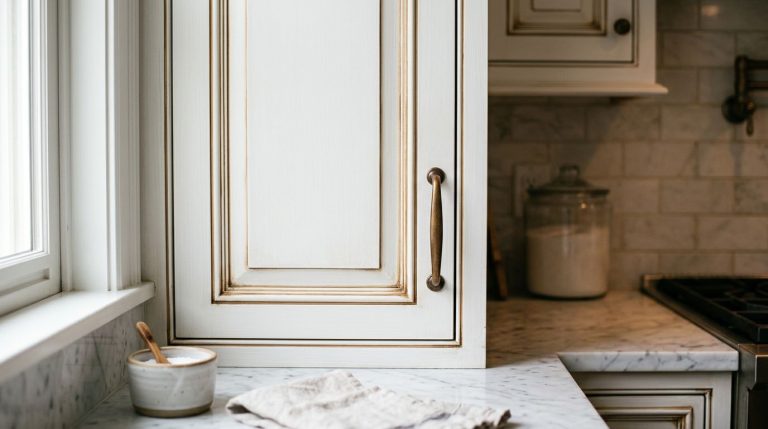
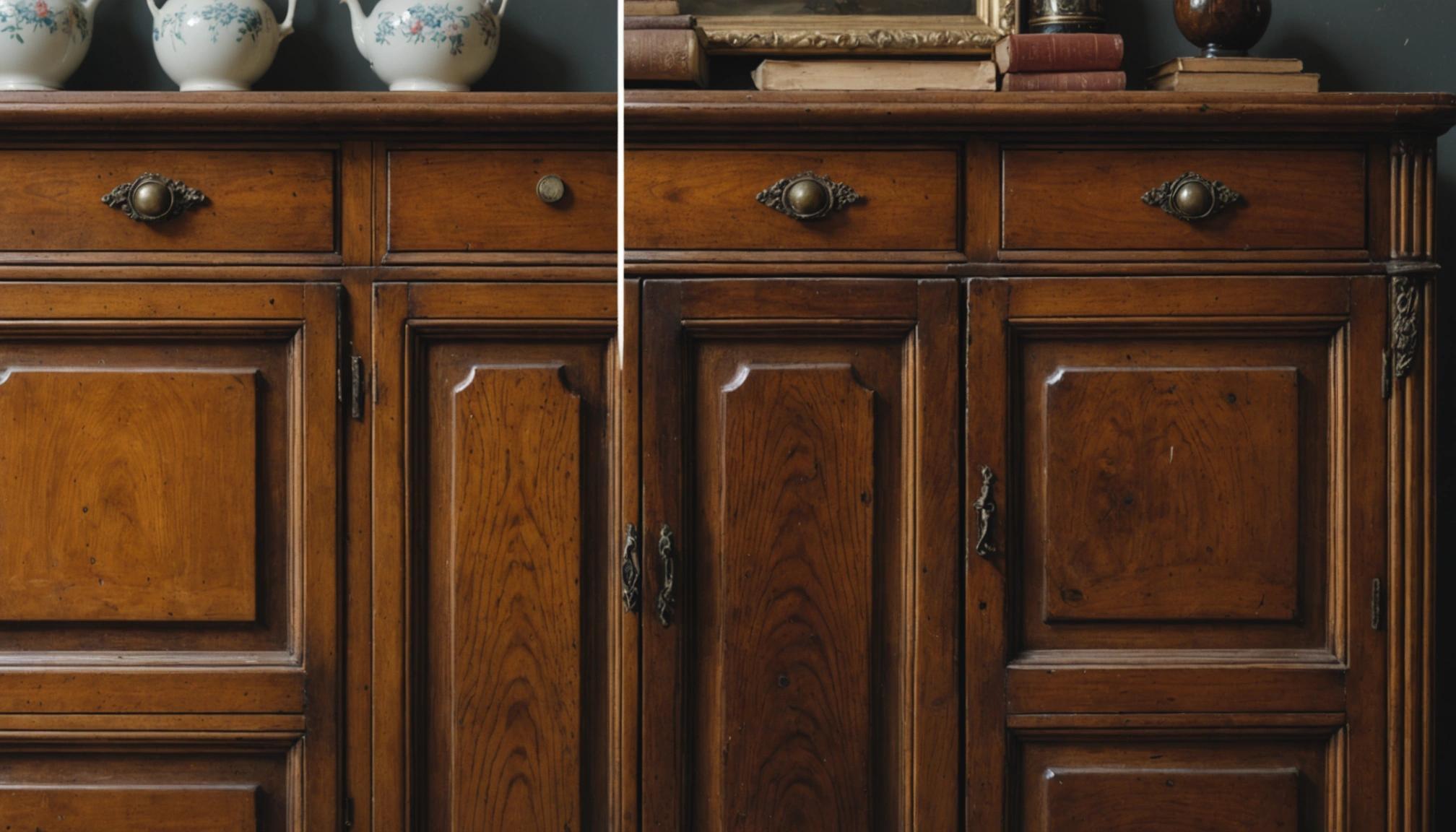
When it comes to glazing antique cabinets, opting for professional help can offer distinct advantages compared to the DIY route. While DIY enthusiasts enjoy the hands-on approach, professional glazing is often prized for its finesse and the quality of finish achieved. Professionals leverage their expertise and specialized tools to deliver a finish that may be challenging to replicate at home. Here’s how professional methods stand apart:
- Expertise and Experience: Professionals have years of experience and specialized knowledge, ensuring impeccable results with attention to minute details.
- Quality of Materials: Access to premium-quality glazes and finishes that are often not available to the average consumer.
- Advanced Techniques: Use of sophisticated techniques that require skill and precision, which come with time and practice.
- Guaranteed Results: Many professionals offer guarantees on their work, providing peace of mind regarding the quality and durability of the finish.
- Efficiency and Time-saving: Professionals can complete the glazing process efficiently, saving you time and effort.
- Custom Finishes: Ability to achieve custom looks tailored to your specific preferences and the style of your furniture.
Choosing professional antique cabinet glazing can transform your furniture’s appearance with a timeless, refined look that DIY attempts might find hard to match. For those interested in learning more about how cabinet glaze finishes can be applied to painted cabinets, consider exploring cabinet glaze application techniques. Consider this option if you’re aiming for a flawless, enduring finish.
What Tools and Materials Are Required for DIY Antique Cabinet Glazing?
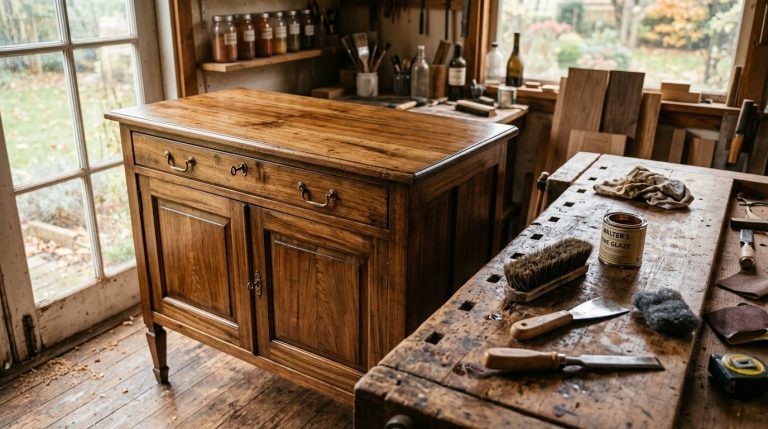
Diving into the world of DIY antique cabinet glazing can be a rewarding experience. It’s a hands-on task that lets you add a personal touch to your furniture, reviving its charm and character. Before you begin, ensure you’re equipped with the right tools and materials. Here’s what you’ll need:
- Glazing Medium: The key component that gives cabinets their antique look.
- Paintbrushes: Varied sizes for precise application—small for detailed areas and larger for broader strokes.
- Lint-free Cloths: Essential for wiping off excess glaze, creating the desired finish.
- Sandpaper: Medium and fine grit; used to prepare the surface and ensure proper adhesion of the glaze.
- Sealant or Topcoat: Vital for protecting the completed finish and extending its durability.
- Painter’s Tape: Helps in masking off areas you don’t want to glaze, ensuring a clean finish.
- Protective Gear: Gloves and a mask to ensure safety from chemicals in the glaze and other materials.
- Drop Cloth: Keeps the workspace clean and protects floors from spills and splatters.
Having these tools and materials on hand will not only make the process smoother but also more enjoyable. For more insights on DIY projects, explore creative home improvement ideas. Here’s to creating beautifully glazed antique cabinets that are both stunning and unique!
How Much Does Professional Antique Cabinet Glazing Typically Cost?
When considering professional antique cabinet glazing, cost is a major factor. Prices can vary greatly, depending on several elements, including the size and complexity of the project. Typically, the cost can range from a couple of hundred dollars to several thousand.
One of the main determinants is the condition of the cabinets. If extensive preparation work is needed—such as repairs or stripping old finishes—the cost will increase. More intricate glaze techniques or customized finishes also contribute to a higher price tag.
Location can play a role as well. Labor rates differ by region, influencing overall costs. For example, services in metropolitan areas tend to be pricier than those in rural settings. The experience and reputation of the professional you choose can also impact the final cost—highly skilled artisans may charge a premium for their expertise.
It’s wise to obtain quotes from multiple professionals. This allows you to compare prices, understand the scope of work included, and find the best fit for your budget and expectations. Remember, while cost is important, so is the quality of the workmanship—proper glazing can enhance your cabinets’ aesthetic and extend their life significantly. For those in the Houston area, exploring antique glaze cabinet refinishing services can provide insight into local pricing and options.
What Skills Are Needed for Successful DIY Antique Cabinet Glazing?
Tackling a DIY antique cabinet glazing project can be rewarding, but it requires certain skills to ensure success. Before diving into this creative process, it’s important to assess your abilities, as these will determine the quality and longevity of your finished piece. Let’s explore the essential skills needed for this task.
Attention to Detail
Glazing demands attention to detail. The process involves applying glaze to achieve a particular antique look. Even application and precision are key. This skill ensures that every corner and crevice is covered uniformly, avoiding splotches or uneven patches.
Patience and Perseverance
This isn’t a job that can be rushed. Patience is CRUCIAL. Glazing requires waiting between coats and allowing sufficient drying time. Impatience can lead to mistakes like smudges or inadequate bonding, which can ruin the project.
Basic Artistic Skills
An eye for aesthetics helps in creating beautiful finishes. Visualizing the end result, understanding colors, and manipulating shades add depth and character to the cabinet. While being a professional artist isn’t necessary, having a creative touch makes the project more rewarding.
Knowledge of Materials and Tools
Understanding the materials and tools is essential for a DIY project. Familiarity with different types of glaze, brushes, and the proper use of equipment allows you to work efficiently. This knowledge ensures you choose suitable products for the best outcome. For more in-depth information, consider exploring antique glaze cabinet refinishing techniques that offer practical insights.
Problem Solving Skills
DIY projects often present unexpected challenges. Quick thinking and problem-solving skills help tackle issues like drips, bubbles, or shade mismatches. Being able to adapt and find solutions ensures the project continues smoothly.
Excitingly, developing these skills not only enhances your DIY antique cabinet glazing project but also enriches your overall craftsmanship ability. If you’re willing to learn and hone these skills, the satisfaction of transforming your cabinets is well worth the effort.
When Is It Best to Hire a Professional for Antique Cabinet Glazing?
Deciding whether to glaze your antique cabinets yourself or hire a professional can be tricky. Here are some instances where calling in the experts might be your best bet.
Complex Glazing Techniques Required
Some antique cabinets feature intricate designs or require specific glazing techniques. If your cabinets are highly detailed or need a specialized glaze, consider hiring a professional. Their skill ensures the finish isn’t ruined (or the piece devalued) by a DIY attempt.
Lack of Necessary Tools or Materials
If you don’t have the right tools or high-quality materials (or the budget to purchase them), it may be cost-effective to hire a professional. They already have access to the best supplies and equipment—at no extra cost to you. For those in Houston, exploring cabinet glaze finishes can provide insight into professional options available locally.
Time Constraints
Glazing can be time-consuming. If you have a busy schedule or need the project completed quickly, professionals can save you time. They’ll finish the job efficiently while you focus on other priorities.
Protecting the Value of the Piece
Antique cabinets can be valuable, both sentimentally and financially. Poor glazing can decrease their value. Professionals know how to enhance the piece’s beauty while maintaining its worth.
Next, explore what tools and materials are essential for those who choose to tackle DIY antique cabinet glazing.
Conclusion
Choosing between a DIY approach and hiring a professional for antique cabinet glazing largely depends on your personal skill level, time availability, and desired finish quality. DIY projects can be fulfilling and cost-saving, but they require a good grasp of techniques and materials to ensure a satisfactory result. On the other hand, professional services offer expertise, precision, and efficiency, often resulting in a stunning and long-lasting finish that might be hard to achieve independently.
At Fargos Art, we understand the intricacies of antique cabinet glazing and are committed to delivering exceptional finishes that enhance the beauty and value of your furniture. Serving Houston and surrounding areas such as River Oaks, Memorial, and Sugar Land, our team offers a wide range of services tailored to meet your aesthetic needs, including Cabinet Glaze Finishes and Antique Glaze Cabinet Refinishing. If you’re ready to transform your cabinets with a touch of professional elegance, get in touch with us at (832) 277-6757 or fargosartco@gmail.com. Let Fargos Art bring your vision to life with our expert craftsmanship and personalized service.