What Does Glaze Do For Cabinets? (Benefits & Uses)
Curious about what glaze does for cabinets? Here at Fargos Art, we believe that a well-applied glaze can transform your cabinets from mundane to magical! Glazing not only enhances the appearance of your cabinets by adding depth and dimension, but it also offers protective benefits that preserve their beauty for years to come.
In this article, we’ll walk you through the amazing benefits of glazing cabinets, show you how this technique can dramatically elevate the aesthetics of your kitchen or bathroom, and provide a comprehensive guide on the best types of glazes to use. Whether you’re a homeowner looking to spruce things up or you’re looking for a new project, join us as we explore the wonders of cabinet glazing!
What Are the Benefits of Glazing Cabinets?
Glazing cabinets bring a unique blend of aesthetic and practical benefits to your kitchen or bathroom. It’s not just about the look (though the look is fantastic)—glazing cabinets can elevate the entire feel of a room.
Enhanced Aesthetic Appeal
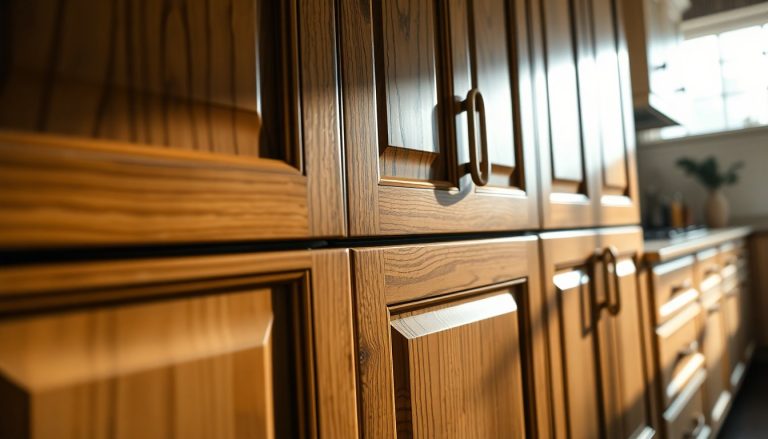
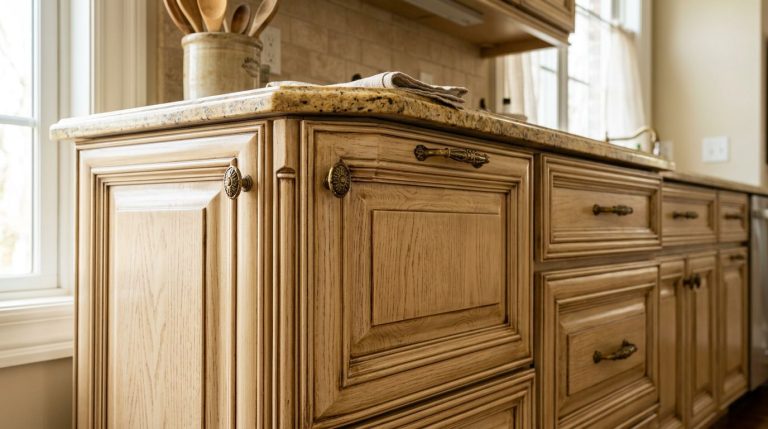
Glazing adds depth and character to cabinets. It highlights intricate details, grooves, and patterns. The result? A richer, more luxurious appearance that transforms standard cabinets into a unique focal point.
Customized Finish
One of the biggest perks of glazing is customization. Choose from a variety of colors and techniques to achieve the exact finish you desire. Whether you want a modern vibe or a vintage finish, glazing can make it happen. Discover some of the most popular cabinet glaze finishes to find inspiration for your next project.
Increased Durability
The glaze acts as an additional protective layer over your cabinets. This helps shield them from wear and tear, scratches, and even moisture—extending the lifespan of your investment.
Easy Maintenance
Glazed surfaces are easier to clean. The layer provides a smooth finish, making wiping spills and dust a breeze. Plus, it reduces dust buildup by sealing wood pores and crevices.
Budget-Friendly Update
Want to revamp your kitchen or bathroom without breaking the bank? Glazing is an affordable way to update cabinet aesthetics without a full remodel. It can make old cabinets look new without the hefty price tag.
In summary, glazing offers a multitude of benefits beyond just good looks—it’s a functional, cost-effective way to enhance your cabinetry.
How Does Glazing Enhance the Appearance of Cabinets?
Glazing transforms the look of cabinets by adding depth, character, and a TOUCH of elegance. This finishing technique highlights the natural beauty of wood or painted surfaces by creating subtle contrasts and shadows. Homeowners and designers LOVE glazing because it gives cabinets a one-of-a-kind, artisan-crafted appearance.
A few ways glazing enhances cabinet aesthetics include:
- Highlighting Details: Glazing emphasizes the grooves and edges of cabinet doors, making intricate designs POP.
- Adding Depth: A glazed finish adds a dimensional effect, making flat surfaces appear more textured and rich.
- Creating a Vintage Look: Glaze can give cabinets an antiqued or weathered appearance, perfect for rustic or traditional styles.
- Enhancing Color: It subtly alters the hue of the base color, creating a unique tone that’s more dynamic than a single shade.
- Customizing Style: From soft and subtle to bold and dramatic, glazing allows customization of the cabinet’s final look to match individual taste.
For those interested in a more hands-on approach, explore DIY cabinet glazing techniques and expert tips. Next, we’ll delve into materials commonly used for cabinet glazing.
What Materials Are Commonly Used for Cabinet Glazing?
Cabinet glazing is a popular way to add depth and character to cabinetry. The glaze itself is a semi-transparent coating that is applied over the cabinet’s finish. Its purpose is to enhance detailing and create a rich, aged look, often highlighting the natural grain or carved areas of the wood. The type of glaze and method of application can significantly alter the cabinet’s final appearance. Below is a guide to some of the most commonly used materials for cabinet glazing.
- Oil-Based Glazes: These glazes have a longer working time, allowing for more intricate detailing and adjustments before they set. Great for deep, rich finishes.
- Water-Based Glazes: Easier to clean and use, these glazes dry faster. They’re a good choice for those looking for a more environmentally friendly option with less odor.
- Gel Glazes: Thicker than traditional glazes, these provide greater control and are less likely to drip, making them ideal for vertical surfaces.
- Glazing Mediums: These are additives mixed with paints to create custom glazes, offering great flexibility in color choices and finish effects.
- Varnish or Polyurethane Finishes: Often used as a topcoat to seal glazed cabinets, protecting them from wear and moisture while adding a subtle luster.
Each type of glaze offers unique benefits and can dramatically alter the look of your cabinetry. Next, we’ll explore step-by-step instructions for applying glaze effectively.
How to Apply Glaze on Cabinets: Step-by-Step Guide
Applying glaze to your cabinets can transform their appearance, giving them depth and a rich visual texture. It’s a fantastic way to add a personalized touch to your kitchen or bathroom cabinetry. If you’re ready to tackle this DIY project, here’s a step-by-step guide to help you through the process.
- Clean the Cabinets: Start by thoroughly cleaning the cabinets with a degreaser. It’s essential to remove any dirt, grease, or grime that could prevent the glaze from adhering properly.
- Sand the Surface: Lightly sand the cabinet surfaces with fine-grit sandpaper. This helps the glaze adhere by creating a slightly rough texture. Make sure to wipe away all the dust with a damp cloth after sanding.
- Apply a Base Coat: If desired, paint the cabinets with a base coat of latex or oil-based paint. Let the paint dry completely before proceeding—usually, an overnight wait is best.
- Mix the Glaze: Prepare your glaze by mixing it with a colorant, if it’s not pre-tinted. Test the glaze on a small, inconspicuous area to ensure the color and consistency are what you’re looking for.
- Brush on the Glaze: Using a brush or rag, apply the glaze to the cabinet surface in small sections. Work quickly, as glaze can dry fast.
- Wipe Away Excess Glaze: Immediately after application, use a clean rag to wipe away excess glaze. This step allows you to create the desired level of transparency and highlights.
- Blend and Feather: Blend edges with the rag to avoid any harsh lines, ensuring a smooth, professional finish.
- Let It Dry: Allow the glaze to dry thoroughly. This can take several hours to a day, depending on the product instructions.
- Seal the Finish: Once dry, apply a clear topcoat to protect the glazed finish. This ensures durability and helps preserve the look over time.
With these steps, you can achieve a stunning, glazed effect on your cabinets, enhancing any space with a touch of elegance and character. For more inspiration and ideas, explore different types of glazes you can use for various styles and effects.
What Are the Different Types of Glazes Available for Cabinets?
When it comes to glazing cabinets, the type of glaze can dramatically affect the final look and feel. Each type offers its own unique finish—ranging from subtle to bold, enhancing your kitchen or bathroom’s overall vibe. Here are some of the different types of glazes available:
Water-Based Glazes
These are popular for their easy cleanup and low odor. They’re also more environmentally friendly compared to solvent-based options. Water-based glazes dry quickly and are available in a variety of colors.
Oil-Based Glazes
Known for their rich, deep finish, oil-based glazes are durable and offer a longer working time. This extra time allows for detailed and intricate designs to be more easily achieved. However, they do have a stronger odor and require more ventilation during application.
Colored or Transparent Glazes
You can find glazes in both colored and transparent forms. Colored glazes add a tint to the cabinetry that can accentuate the wood’s natural grain. Transparent ones are perfect if you want to highlight the existing paint or wood color beneath the surface.
Antiquing Glazes
These glazes are designed to give cabinets an aged or vintage look. Suitable for creating a distressed finish, they can add charm and character to newer cabinets or rejuvenate old ones with historical warmth. For more insights on achieving this effect, explore antique glaze cabinet refinishing.
Highlighting Glazes
If you want to emphasize specific details such as grooves, carving, or molding, highlighting glazes are the way to go. They are perfect for enhancing architectural features by adding depth and contrast.
Up next, we’ll explore tips for maintaining and caring for your newly glazed cabinets to ensure they stand the test of time.
Tips for Maintaining and Caring for Glazed Cabinets
Glazed cabinets add a touch of elegance to your kitchen or bathroom. Maintaining their beauty and longevity requires some attention—but it’s well worth the effort to keep them looking pristine.
Regular Cleaning
Regular cleaning is essential. Use a soft cloth and mild detergent (avoid harsh chemicals) to gently clean away dirt and grime. Water and vinegar solutions can be effective for tougher stains—just make sure they’re wiped dry to prevent moisture damage.
Avoid Excess Moisture
Moisture can damage the glaze over time, leading to discoloration or peeling. Always wipe up spills immediately and ensure your kitchen or bathroom is well-ventilated to avoid excessive humidity.
Protect Against Scratches
To avoid scratches, be mindful when handling kitchenware or bathroom items near your cabinets. Using cabinet liners can also help protect against abrasive damage inside drawers and cabinets.
Regular Inspection
Periodically inspect your cabinets for signs of wear or damage. Early detection of issues like chipping can help address problems before they worsen.
Reapply Glaze if Needed
Over time, the glaze might wear off in high-use areas. Reapplying glaze can renew your cabinets’ luster and keep them looking like new. Consider hiring a professional for best results. Learn more about the different types of glazes available for your cabinets.
These simple, routine care tips will help preserve your glazed cabinets’ beauty for years. Next, we’ll explore the different types of glazes available for your cabinets.
Conclusion
Glazing cabinets not only enhances their visual appeal with a rich, sophisticated finish but also adds an extra layer of protection against wear and tear. Whether you’re looking to revitalize your kitchen with a modern update or preserve the rustic charm of antique pieces, cabinet glazing offers versatility and durability that can significantly elevate the look of your space. In areas like Houston, where blending style with functionality is crucial, glazed cabinets can truly transform your home’s ambiance.
At Fargos Art, located in Houston, we specialize in a wide array of services including exquisite Cabinet Glaze Finishes and Antique Glaze Cabinet Refinishing. Our skilled professionals are dedicated to bringing your vision to life, ensuring top-quality craftsmanship tailored to your taste. If you’re in Houston or nearby locations such as River Oaks or Bellaire, contact us at (832) 277-6757 or via our email at fargosartco@gmail.com. Let Fargos Art help you make a statement in your home with our expertise in custom finishes and decorative art.