Cabinet Glaze Finishes For Small Kitchens (2026 Design Guide)
Small kitchens have a big challenge. They need to feel open, bright, and full of character without any wasted space. That is exactly where cabinet glaze finishes come in. At Fargos Art in Houston, we have spent years helping homeowners transform tight, plain kitchens into rooms that feel custom and warm. A good glaze finish adds depth, highlights detail, and gives even a compact kitchen a rich, high-end look.
In this 2026 design guide, we will walk you through everything you need to know about glaze finishes for small kitchens. From the best colors to real cost expectations, we want you to feel confident about your next project. Let’s get into it.
What Are Cabinet Glaze Finishes and How Do They Work
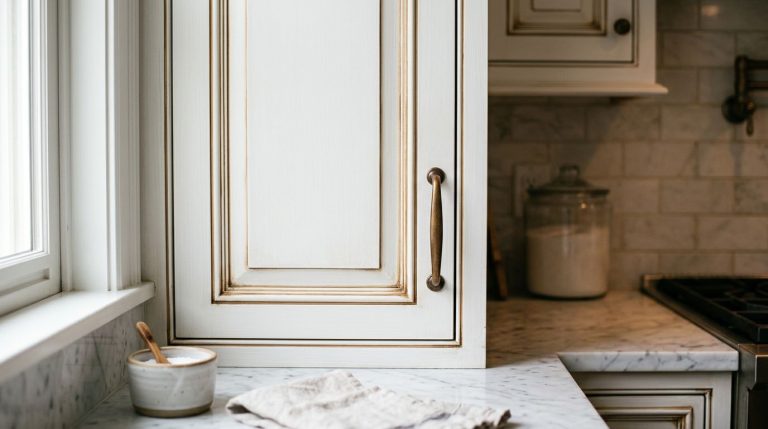
A cabinet glaze is a thin, tinted layer applied over a base paint or stain. It settles into the grooves, corners, and edges of your cabinets to create shadow and dimension. Think of it as makeup for your cabinetry. It brings out the details that flat paint tends to hide.
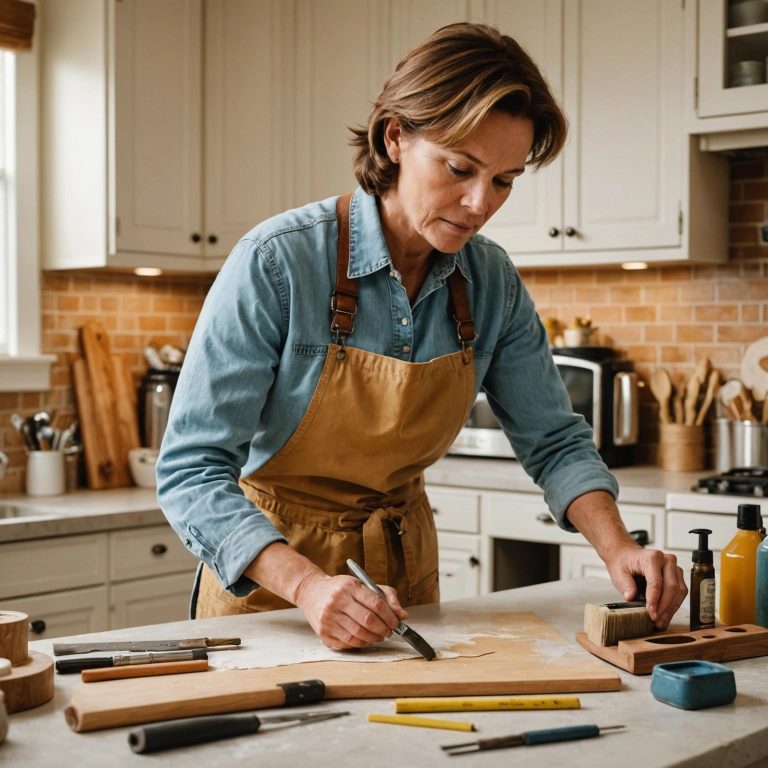
The process is more art than science. We apply the glaze by hand, then wipe it back to control how much stays behind. Too much and it looks heavy. Too little and it disappears. The goal is a balanced finish that feels intentional and refined.
- Base coat first. Cabinets are primed and painted or stained before any glaze goes on.
- Glaze application. A tinted glaze is brushed into the profiles and recessed areas.
- Wipe back. Excess glaze is removed while it is still workable to control the effect.
- Detail focus. Corners, raised panels, and trim get the most attention since that is where shadow reads best.
- Sealer. A protective topcoat locks everything in and makes the surface durable and cleanable.
If you want a deeper look at what glaze actually does to your cabinetry, we break down the whole idea in our guide on what glaze does for cabinets. It covers the visual payoff and why so many homeowners love the result.
Best Glaze Finish Colors for Small Kitchens in 2026
Color choice matters more in a small kitchen than almost anywhere else. The right glaze tone can make walls feel farther apart. The wrong one can close the room in. Here are the finishes we are recommending most this year.
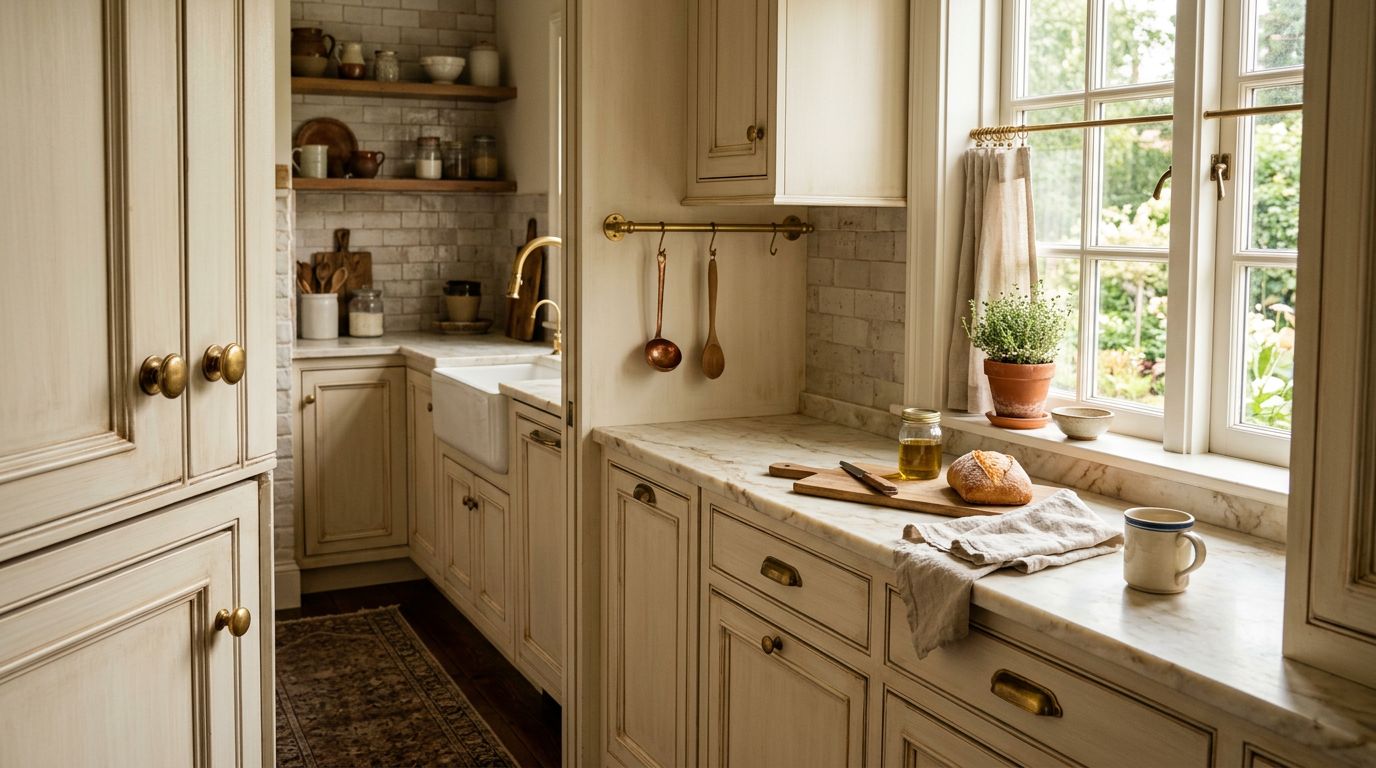
Soft White with a Warm Glaze
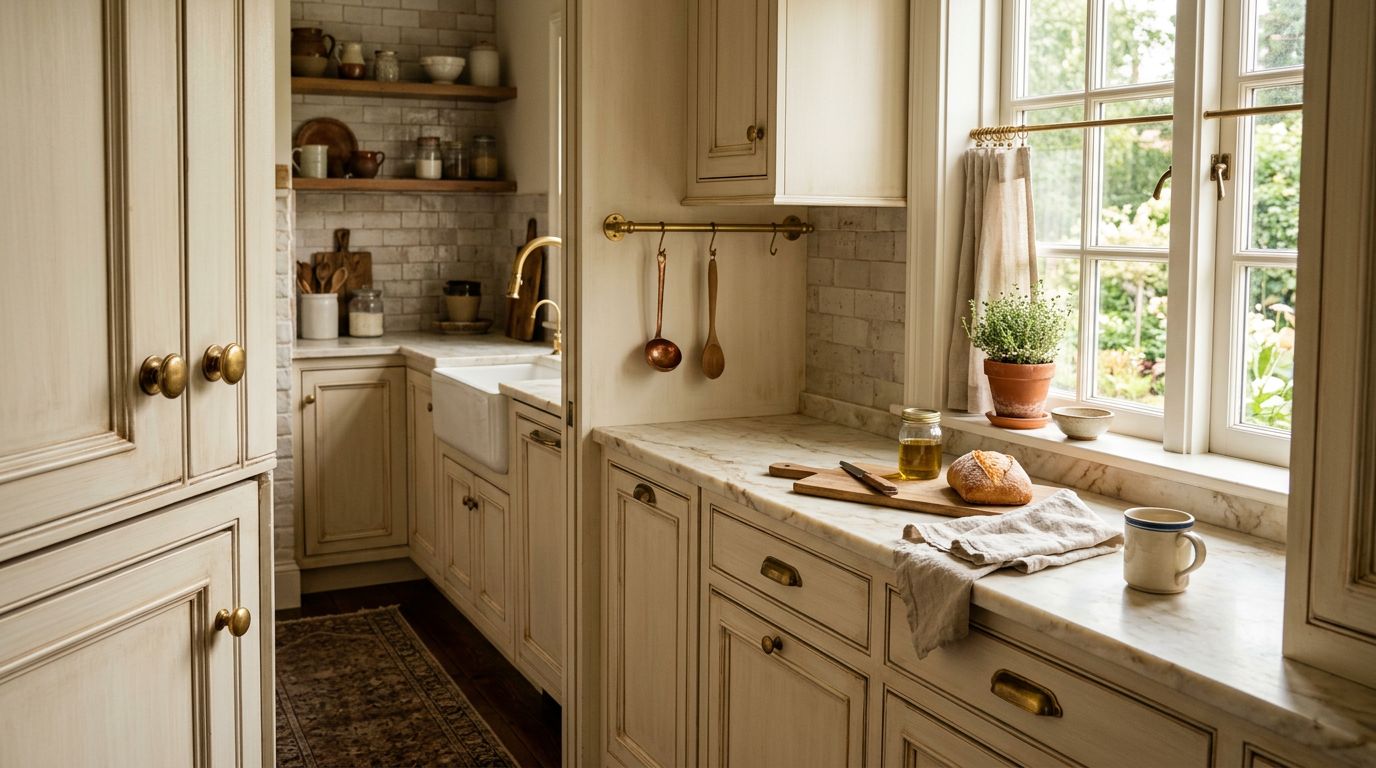
This is the timeless choice. A warm, honey-toned glaze over creamy white brings age and character without darkening the space. It keeps things light while adding just enough contrast to feel custom.
Greige and Mushroom Tones
Greige is the perfect middle ground between gray and beige. Paired with a subtle taupe glaze, it feels modern and grounded. This combo works beautifully in kitchens that get limited natural light.
Sage and Muted Green
Green is having a major moment in 2026. A soft sage base with a gentle brown or bronze glaze feels fresh and organic. In a small kitchen, it adds personality without overwhelming the eye.
Antique White with Deep Glaze Accents
For a more traditional look, an antique white base with a deeper glaze in the corners creates that old-world charm. It works especially well in Houston homes in River Oaks and Memorial where classic style never goes out of fashion.
Charcoal and Navy with Metallic Glaze
Bold but smart. If you have upper and lower cabinets, keeping the uppers light and adding a moody glazed base can ground the room. A hint of metallic glaze catches light and adds a luxe touch.
How Do Glazed Cabinets Make a Small Kitchen Look Bigger
It sounds backwards. Adding depth and shadow should make a space feel smaller, right? Actually the opposite happens when it is done well. Glaze draws the eye across surfaces and creates a sense of layered dimension. That layering tricks the brain into reading more space, not less.
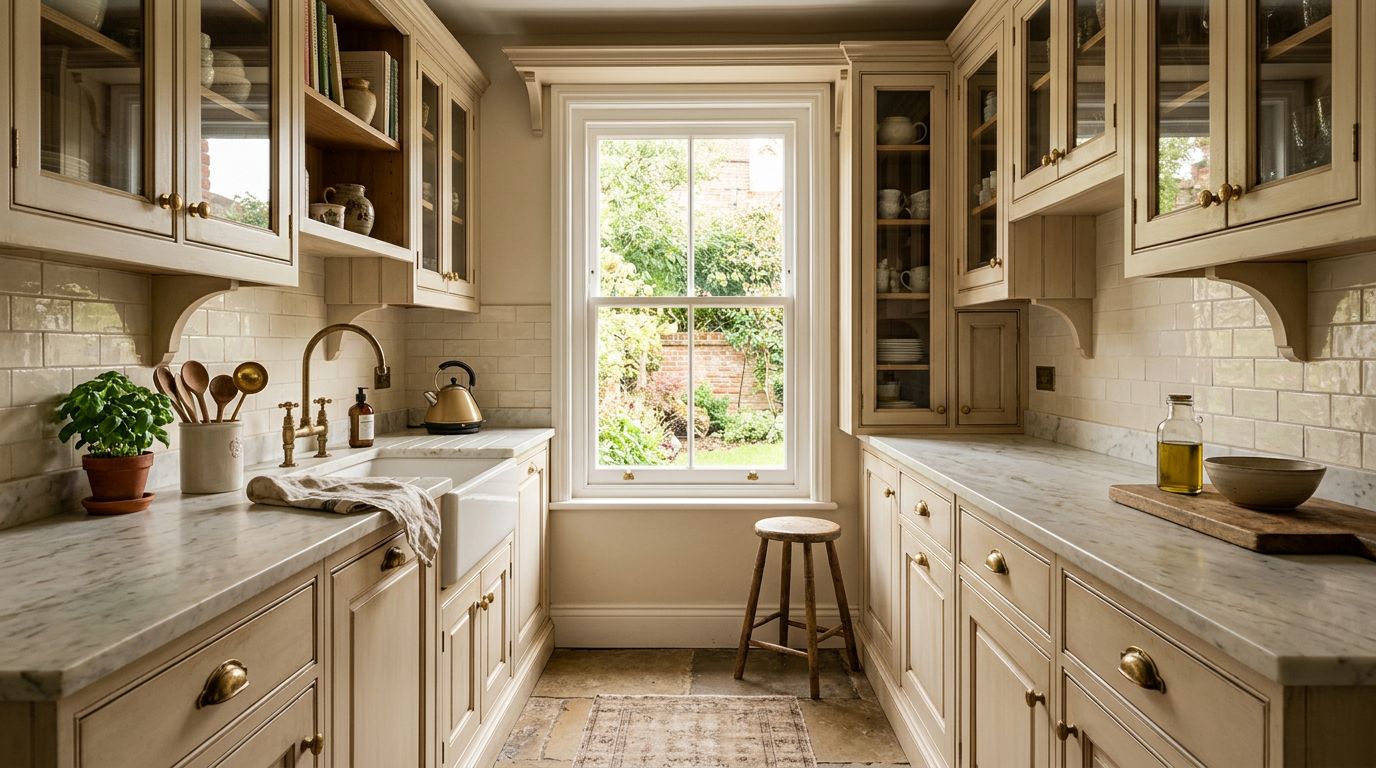
Here is how a professional glaze finish opens up a compact kitchen.
- It highlights architecture. Glaze accentuates raised panels and trim, pulling focus to detail instead of the size of the room.
- It reflects light better. A light base with a subtle glaze bounces natural light around, brightening tight corners.
- It adds vertical interest. Emphasized cabinet profiles draw the eye up and down, making ceilings feel taller.
- It creates cohesion. A unified glaze tone across all cabinetry keeps the space from feeling choppy and cramped.
- It removes the flat, boxy look. Plain painted cabinets can feel like solid walls. Glaze softens that and adds movement.
The technique behind all this really matters. If you are curious about the hands-on side, we explain our method in detail in our post on applying cabinet glaze finishes. It shows why proper application makes all the difference in a small kitchen.
Glazed vs. Painted vs. Stained Cabinets: Which Is Right for Small Spaces
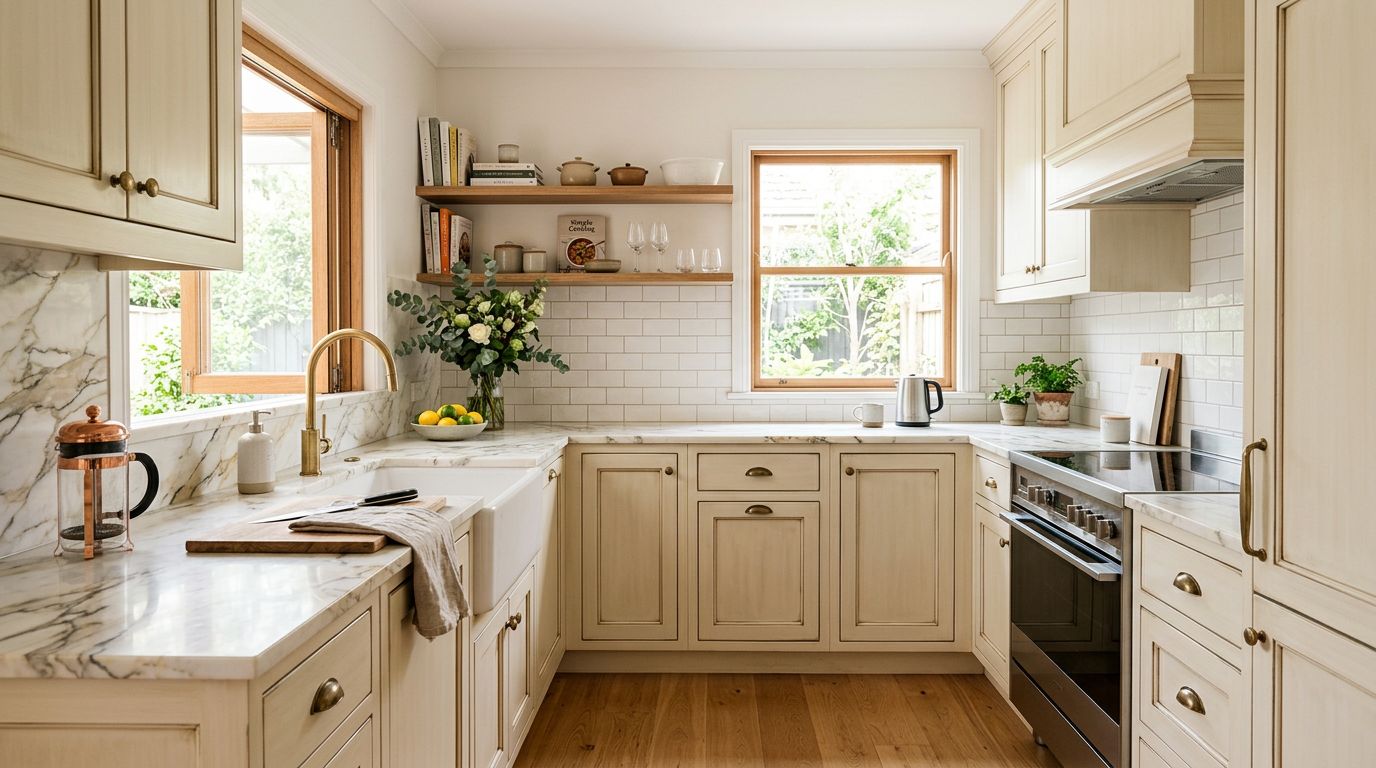
Every finish has a place. But in a small kitchen, some options serve you better than others. Painted cabinets are clean and bright. Stained cabinets show off natural wood. Glazed cabinets combine dimension with color control. The table below breaks down how they compare for tight spaces.
| Feature | Glazed | Painted | Stained |
|---|---|---|---|
| Adds depth and dimension | Excellent | Limited | Moderate |
| Brightens a small kitchen | Very good | Excellent | Limited |
| Hides minor wear over time | Excellent | Fair | Good |
| Custom, high-end look | Excellent | Good | Good |
| Color flexibility | High | High | Low |
| Best for traditional homes | Yes | Sometimes | Yes |
For most small kitchens, glaze offers the best of both worlds. You get the brightness of paint with the richness of stain. If you want to see how glaze pairs with different kitchen styles, we cover the options in our guide on cabinet glaze finishes for kitchen styles. It helps match the finish to your home’s overall vibe.
How Much Do Glazed Cabinet Finishes Cost
Cost is always a big question, and honestly it depends on several factors. The size of your kitchen, the condition of your cabinets, and the complexity of the finish all affect the final number. A small kitchen is generally more affordable simply because there is less surface area to cover.
Keep in mind that a hand-applied glaze finish is a skilled craft. You are paying for artistry and durability, not just materials. Here are the main things that influence the price.
- Kitchen size. Fewer cabinets mean lower labor and material costs. Small kitchens win here.
- Cabinet condition. Cabinets needing repair, sanding, or heavy prep add time to the job.
- Number of coats. Layered or multi-tone glaze work takes longer than a single glaze pass.
- Finish complexity. Antique effects and detailed profiles require more careful hand work.
- Base treatment. Repainting versus glazing over an existing base changes the scope.
- Sealer and protection. Quality topcoats cost more but last much longer in a busy kitchen.
The good news is that refinishing with a glaze is far cheaper than replacing cabinets. You keep your existing layout and get a dramatically upgraded look. For homeowners in Katy, Sugar Land, Bellaire, and West University Place, it is one of the smartest kitchen updates you can make.
Common Mistakes to Avoid When Choosing Glaze Finishes
Glaze finishes are gorgeous when done right. But there are a few traps that can leave you disappointed. We have seen plenty of DIY jobs and rushed installs go wrong. Avoid these common mistakes and your finish will look flawless for years.
- Going too dark in a small space. Heavy glaze can swallow light. Keep it subtle in compact kitchens.
- Skipping proper prep. Glaze will not adhere well over dirty, greasy, or unsanded cabinets. Prep is everything.
- Choosing the wrong base color. The glaze tone and base must work together. A mismatch looks muddy.
- Overapplying the glaze. Too much glaze looks smeared and dated. Restraint reads as elegance.
- No protective topcoat. Kitchens see moisture and grease daily. Without a sealer, the finish wears fast.
- Trying complex effects as a first DIY. Glazing is deceptively tricky. Uneven results are hard to fix.
- Ignoring your home’s style. A modern kitchen needs a lighter touch than a traditional one. Match the finish to the space.
The safest path is working with pros who understand the craft. A trained hand knows exactly how much glaze to leave and where. That control is what separates a custom finish from a botched one.
Conclusion
Cabinet glaze finishes are one of the best ways to give a small kitchen big style. They add depth, highlight detail, and can even make the room feel more open when the right colors are used. From warm whites to muted sage and moody navy, 2026 offers plenty of beautiful options. And compared to a full cabinet replacement, glazing is a budget-friendly upgrade that delivers a truly custom look.
At Fargos Art, we bring hand-applied artistry to kitchens across Houston, River Oaks, Memorial, Tanglewood, Upper Kirby, Spring Branch, and beyond. If you are ready to transform your small kitchen with a glaze finish that lasts, we would love to help you plan the perfect look for your home.