Cabinet Glaze Finishes For Oak Cabinets (2026 Design Guide)
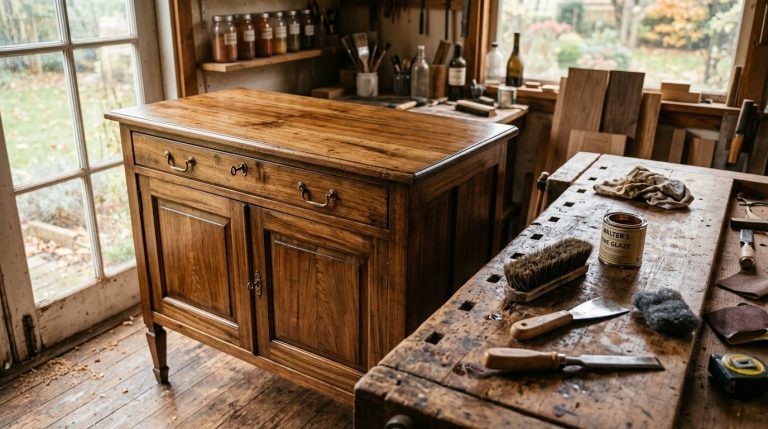
Oak cabinets have a beauty all their own, but sometimes they need a little extra depth to really shine. That is where cabinet glaze finishes come in. At Fargos Art in Houston, we specialize in transforming tired oak cabinetry into rich, dimensional showpieces that look custom and expensive. A well applied glaze settles into the grain, highlights the details, and gives your kitchen or bathroom a warmth that flat paint just cannot match.
In this 2026 design guide, we will walk you through everything you need to know about glazing oak cabinets. From popular colors to application steps, costs, and maintenance, we have got you covered. Let us dig in.
What Is Cabinet Glaze and How Does It Work on Oak
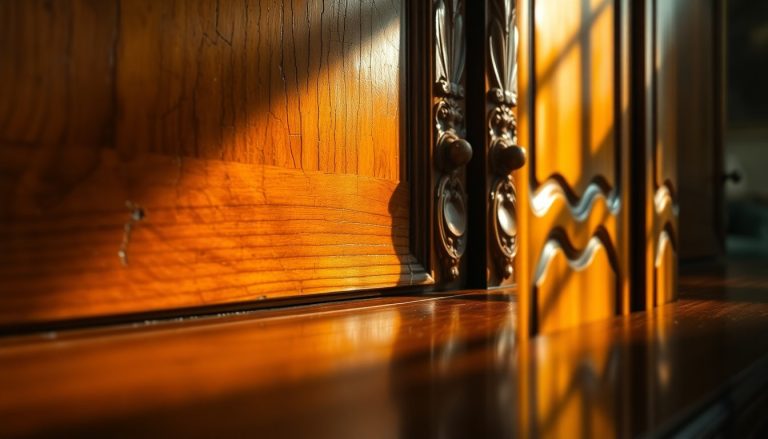
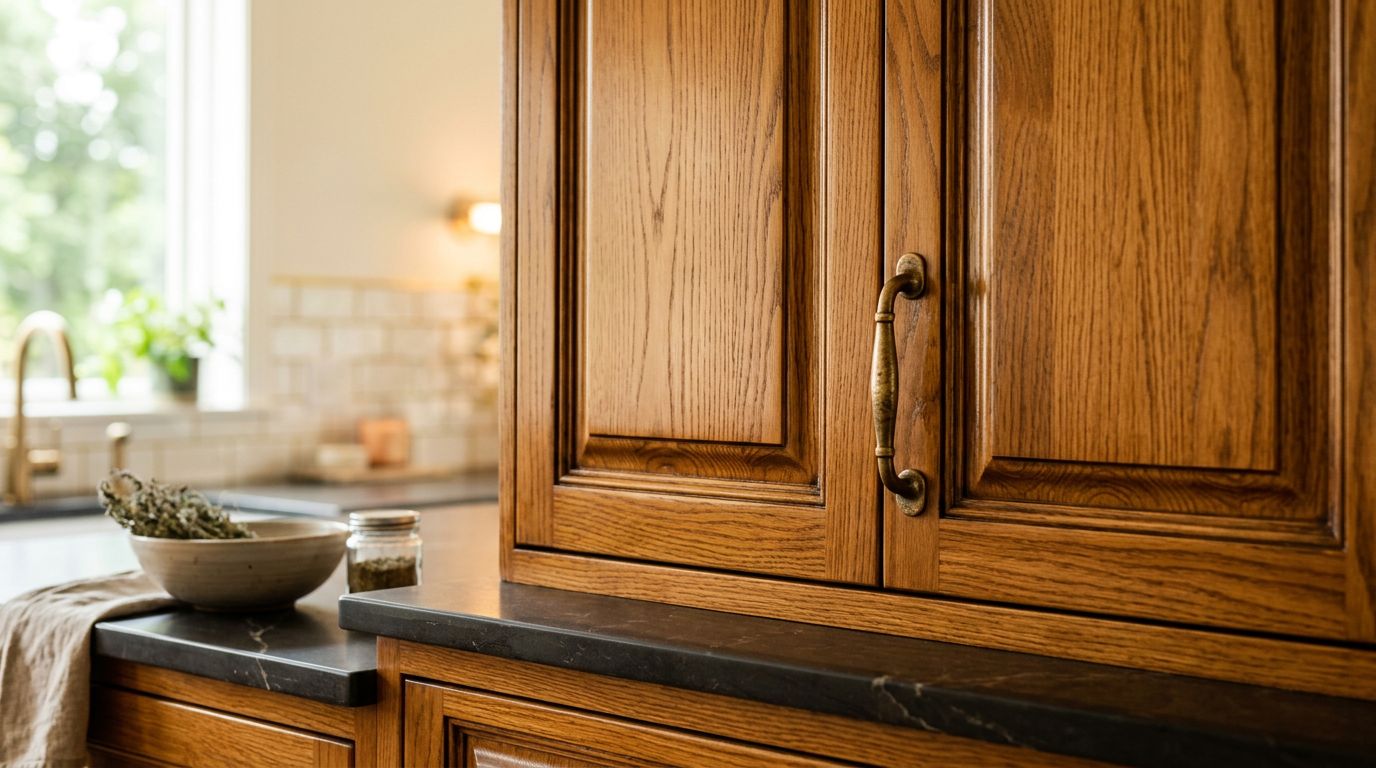
Cabinet glaze is a semi-transparent finish that goes on TOP of a base coat of paint or stain. Think of it as a tinted wash that you apply and then wipe back. The magic happens because oak has such a pronounced, open grain. When you spread glaze across the surface, it sinks into every groove and crevice. Then you wipe the flat areas clean, leaving the glaze tucked into the grain and corners.
The result is a cabinet that looks aged, layered, and full of character. Oak is honestly one of the BEST woods for glazing because of that deep grain pattern. Other smoother woods do not hold the glaze the same way. If you want to understand more about the visual impact, our breakdown of what glaze does for cabinets explains the transformation in detail.
- Adds depth: Glaze highlights the natural grain and any raised panel edges.
- Softens color: It can tone down a base coat that feels too bright or plain.
- Creates an aged look: Perfect for traditional, French country, and antique styles.
- Enhances architectural details: Moldings, corners, and profiles pop more.
- Works over paint or stain: You can glaze a painted cabinet or a stained one.
- Fully customizable: The amount you leave behind controls how dramatic it looks.
Popular Glaze Finish Colors for Oak Cabinets in 2026
Color trends keep evolving, and 2026 is all about warm, grounded tones that feel cozy and timeless. Here are the glaze colors our Houston clients keep asking for.
Warm Brown Glaze
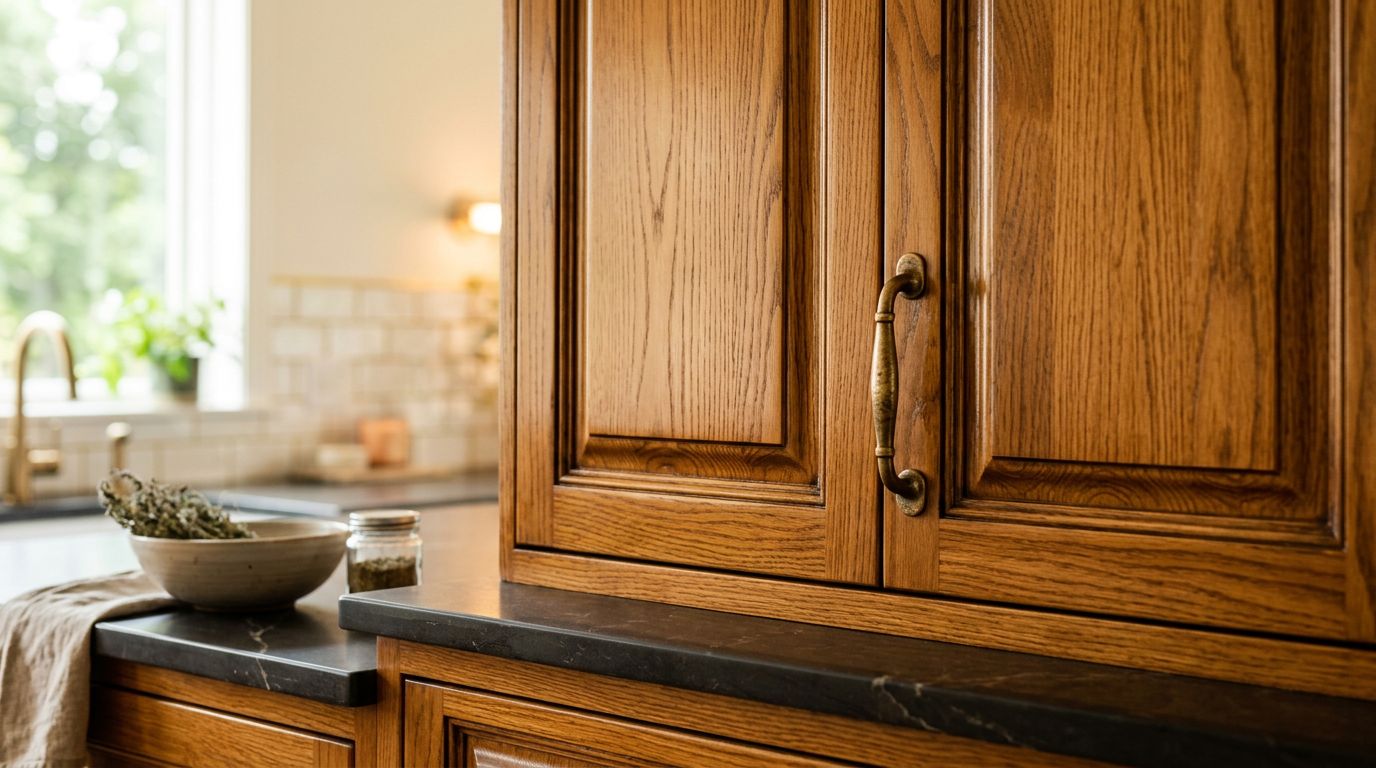
This is the classic choice for a reason. A warm brown glaze over a cream or antique white base creates that rich, layered farmhouse look. It plays up the natural honey tones already in oak. It is elegant without feeling stuffy.
Chocolate and Espresso
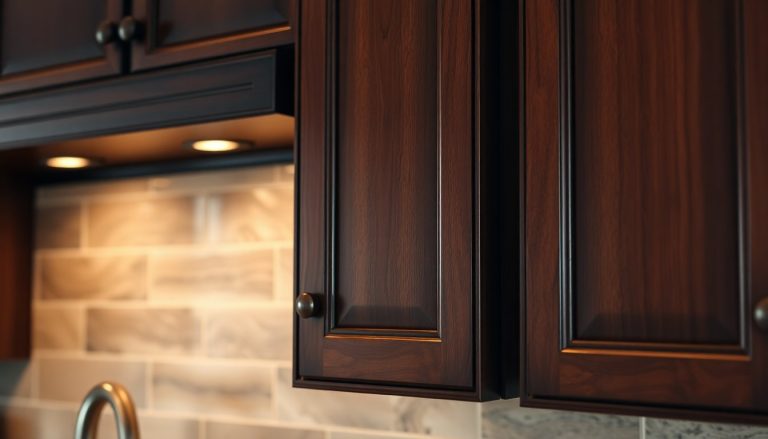
For a bolder statement, deep chocolate glaze sinks into the grain and creates strong contrast. It works beautifully in Memorial and River Oaks kitchens where homeowners want a dramatic, high-end vibe. The dark glaze against a lighter base is STUNNING.
Gray Glaze
Gray remains a favorite because it modernizes oak without erasing its character. A cool gray glaze over a soft white base gives you that transitional style that fits both modern and traditional homes. It is a smart pick for resale too.
Black Glaze
Black glaze is not just for goths, we promise. Used sparingly, it adds sophistication and a touch of drama. It is perfect for accenting detailed cabinet doors and creating a moody, upscale feel in a bathroom or study.
Antique White with Cream Glaze
This soft, subtle combination is one of the most requested finishes. It brightens up a space while keeping that hand-crafted, old-world charm. If you love a light and airy kitchen, this is your winner.
How to Apply Glaze Finish to Oak Cabinets Step by Step
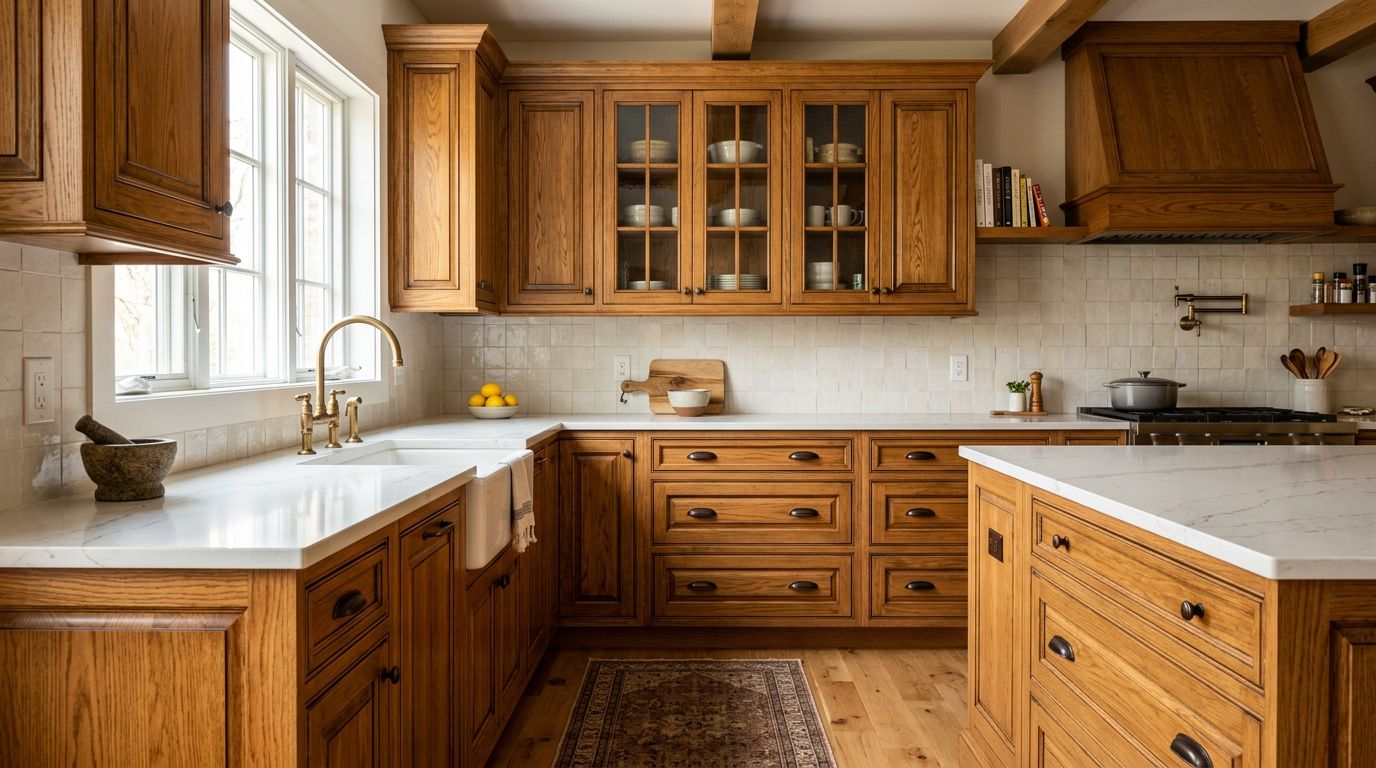
Applying glaze looks simple, but the technique makes all the difference. Rushing or skipping prep leads to blotchy, uneven results. Here is the process we follow at Fargos Art to get a flawless, professional finish. If you want a deeper look at our methods, check out our guide on applying cabinet glaze finishes.
- Clean the cabinets thoroughly. Grease and grime will ruin adhesion. We degrease every surface and wipe it down completely.
- Sand and scuff the surface. This gives the base coat something to grip. Oak needs a light scuff even if it is already finished.
- Apply a primer. A good bonding primer locks everything in place, especially over old stained oak.
- Paint the base coat. Choose your base color and apply two even coats. Let each coat dry fully.
- Mix the glaze. We blend the glaze to the right consistency and tint. Test it on a hidden spot first.
- Brush on the glaze. Work in small sections so it does not dry before you wipe it back.
- Wipe back the excess. Use a clean cloth to remove glaze from the flat areas, leaving it in the grain and corners.
- Adjust as needed. Want it darker? Add more glaze. Too much? Wipe more off. This is where control matters.
- Seal with a topcoat. A clear protective sealer keeps the glaze from wearing off and makes cleaning easy.
Patience is key. The wiping stage is really an art, and it is what separates a DIY job from a truly custom finish.
Glazed vs Stained Oak Cabinets: Which Is Better
People often ask us whether they should glaze or just re-stain their oak cabinets. Honestly, it depends on the look you want. Staining enhances the natural wood tone and keeps things simple. Glazing adds dimension, contrast, and that layered custom appearance. Neither is objectively better, but they serve different goals. If you are weighing your options for a full kitchen makeover, our overview of cabinet glaze finishes for kitchen styles can help you decide.
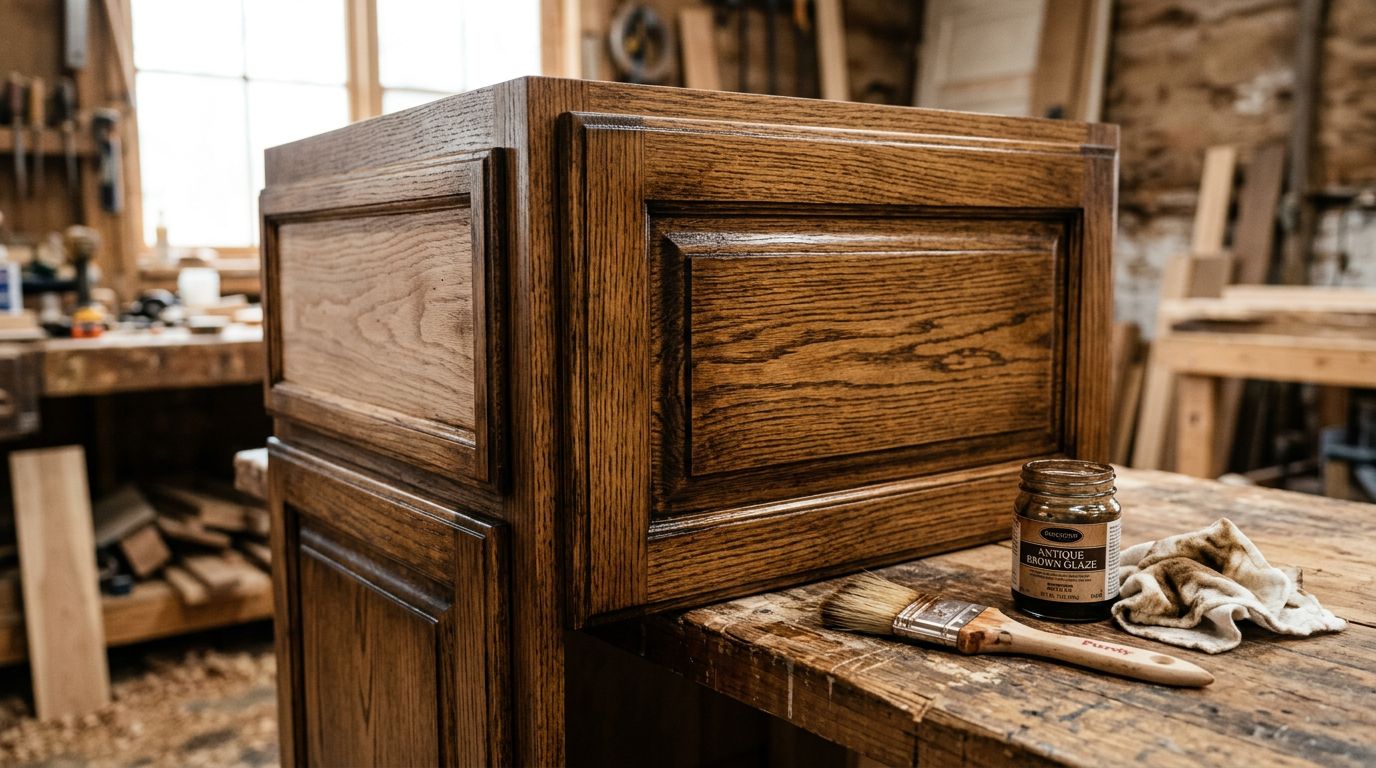
- Glazed cabinets: More depth and dimension, highlights details, great for traditional and antique styles, more customizable.
- Stained cabinets: Shows off natural wood, simpler application, more uniform color, better for a clean modern look.
- Glaze over paint: Lets you change the color completely while still adding character.
- Stain only: Keeps the wood grain fully visible with a natural finish.
- Durability: Both hold up well when sealed properly, but glaze needs a solid topcoat to protect it.
- Cost: Glazing usually costs more because of the extra labor and skill involved.
Our advice? If your oak feels dated and flat, glaze brings it back to life. If you just want to refresh the wood tone, stain might be enough.
Cost of Glazing Oak Cabinets
Cost is always a big question, and it varies quite a bit. Several factors affect the final price, including the size of your kitchen, the condition of the cabinets, the number of doors, and the complexity of the finish. A simple glaze over an existing base costs less than a full strip, prime, paint, and glaze project. Here is a general breakdown of what influences the price.
- Number of cabinet doors and drawers: More pieces mean more labor.
- Base coat work: If we need to prime and paint before glazing, that adds cost.
- Type of glaze finish: Detailed antique looks take more time than a light glaze.
- Condition of the oak: Repairs, heavy cleaning, or sanding raise the price.
- Kitchen size: A large kitchen in Sugar Land will cost more than a small galley kitchen.
- Sealer and topcoat: Quality protective coatings are an important part of the cost.
Glazing is still WAY more affordable than replacing your cabinets entirely. You get a custom, high-end look for a fraction of the price of new cabinetry. That is why so many homeowners in West University Place and Bellaire choose refinishing over replacement.
How to Maintain and Clean Glazed Oak Cabinets
Once your cabinets are glazed and sealed, keeping them beautiful is easy. The topcoat does most of the heavy lifting by protecting the finish from moisture and daily wear. Still, a little care goes a long way toward preserving that gorgeous look for years. Here are our simple maintenance tips.
- Wipe spills right away. Do not let liquids sit on the surface, especially near the sink.
- Use a soft cloth. Microfiber is gentle and will not scratch the finish.
- Skip harsh chemicals. Avoid abrasive cleaners, bleach, and ammonia. They can dull the glaze.
- Use mild soap and water. A little dish soap in warm water handles most everyday cleaning.
- Dry after cleaning. Wipe cabinets dry to prevent water spots and streaks.
- Avoid excess moisture. Keep steam and standing water away from cabinet edges.
- Touch up as needed. Small chips can be repaired to keep the finish looking fresh.
With basic care, a professionally glazed and sealed cabinet can look amazing for a DECADE or more. That is a great return on your investment.
Conclusion
Cabinet glaze finishes are one of the smartest ways to upgrade oak cabinets without the cost and hassle of a full replacement. Glaze sinks into that beautiful oak grain, adds depth and dimension, and gives your kitchen or bathroom a custom, high-end look. Whether you love a warm brown, a bold espresso, or a soft antique white, there is a glaze color to match your style in 2026.
At Fargos Art, we bring decades of decorative finishing experience to homes across Houston, River Oaks, Memorial, Tanglewood, Katy, and beyond. If you are ready to transform your oak cabinets into something truly special, reach out to our team and let us help you design a finish you will love for years to come.